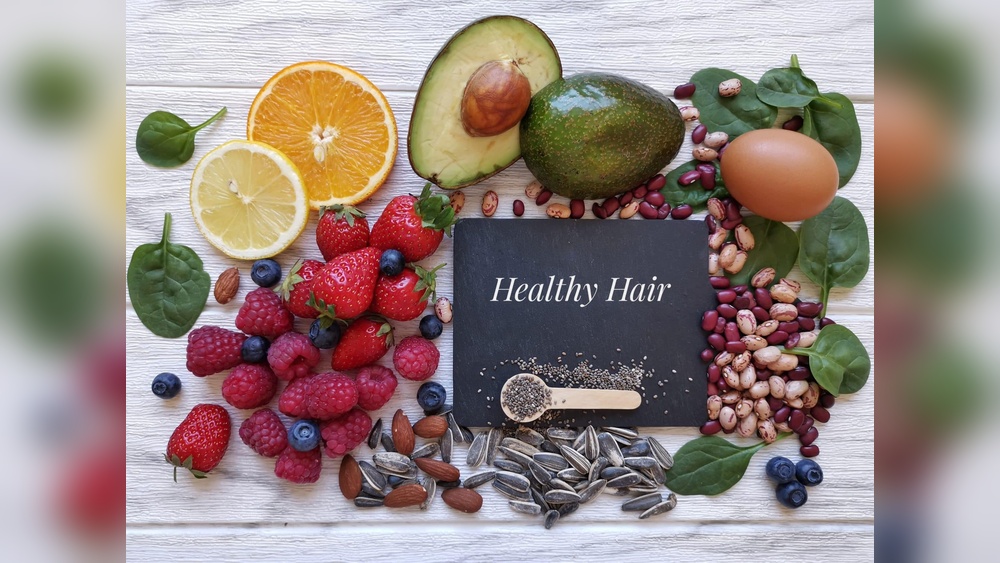
Your scalp is the foundation of healthy, beautiful hair. If your scalp isn’t well-nourished, no hair product can fix the problem.
But did you know that what you eat plays a huge role in keeping your scalp healthy? Choosing the right foods can reduce dryness, itching, and flakiness, while promoting strong, vibrant hair growth. You’ll discover simple, powerful foods that can transform your scalp from irritated to nourished.
Keep reading to find out how easy changes to your diet can give your scalp the care it truly needs.
Credit: www.headandshoulders.co.in
Role Of Nutrition In Scalp Health
Nutrition plays a big role in keeping your scalp healthy. The food you eat provides the building blocks your scalp needs. A balanced diet supports hair growth and prevents dryness or flakiness. Poor nutrition can cause scalp problems like itching and hair loss. Understanding how nutrition affects your scalp helps you make better food choices. Healthy eating leads to a strong, vibrant scalp and hair.
How Diet Impacts Scalp Condition
Your diet affects the scalp’s oil production and blood flow. Foods rich in vitamins and minerals nourish the scalp cells. Lack of nutrients can cause dryness and inflammation. Eating well keeps the scalp hydrated and reduces dandruff. A poor diet may slow hair growth and increase hair fall. Scalp health depends on the quality and balance of your diet.
Key Nutrients For Scalp Vitality
Protein is essential for hair strength and scalp repair. Omega-3 fatty acids reduce scalp inflammation and keep skin soft. Vitamin A helps produce scalp oils that protect hair roots. Zinc supports scalp healing and controls oil balance. Vitamin E improves blood circulation to the scalp. Iron prevents hair thinning by supplying oxygen to hair follicles. Eating foods rich in these nutrients promotes a healthy scalp.
Credit: happycappyshampoo.com
Protein-packed Foods
Protein is essential for a healthy scalp. It helps repair hair follicles and supports new hair growth. Eating foods rich in protein provides the building blocks your scalp needs to stay strong and healthy.
Lean Meats And Fish
Lean meats like chicken and turkey offer high-quality protein. They are low in fat and rich in nutrients that boost scalp health. Fish, especially salmon and mackerel, contains protein and omega-3 fatty acids. These fats reduce scalp inflammation and keep skin moisturized.
Plant-based Protein Sources
Beans, lentils, and chickpeas are excellent plant proteins. They supply essential amino acids for scalp repair. Nuts and seeds also provide protein and healthy fats. Tofu and tempeh are great options for vegetarians and vegans. These foods nourish the scalp and support strong hair growth.
Foods Rich In Omega-3 Fatty Acids
Omega-3 fatty acids play a key role in maintaining a healthy scalp. These fats reduce inflammation and improve blood flow to hair follicles. A well-nourished scalp supports strong, shiny hair. Eating omega-3 rich foods can help keep your scalp moisturized and prevent dryness or flakiness.
Fatty Fish Varieties
Fatty fish are the best natural source of omega-3s. Salmon, mackerel, sardines, and trout contain high amounts. These fish provide EPA and DHA, two important types of omega-3. Regular consumption can reduce scalp irritation and promote hair growth. Choose wild-caught fish for better nutrient quality.
Plant-based Omega-3 Options
Plants also offer omega-3 fatty acids, mainly ALA type. Flaxseeds, chia seeds, walnuts, and hemp seeds are rich sources. These foods support scalp health and improve hair texture. Add them to smoothies, salads, or yogurt for easy intake. Plant-based omega-3s are essential for vegetarians and vegans.
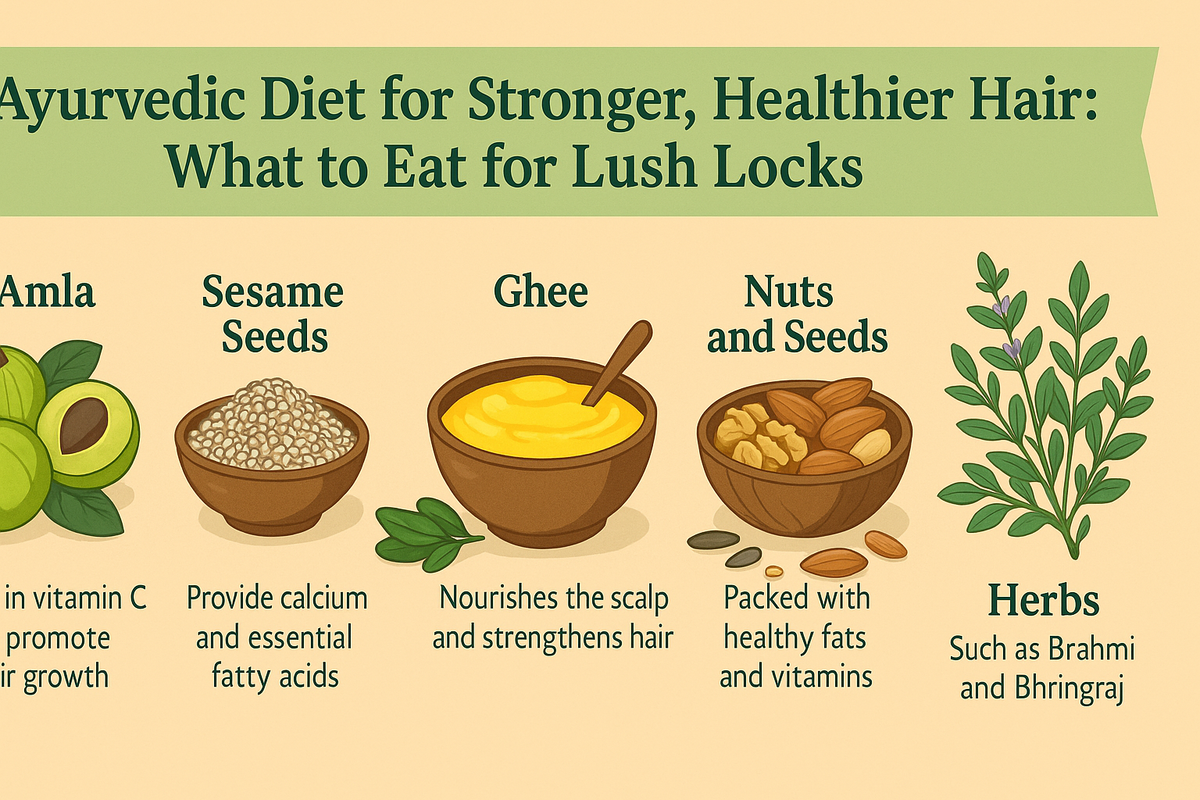
Credit: shadanga.com
Vitamins That Promote Scalp Health
Vitamins play a key role in keeping your scalp healthy. They help nourish the skin and hair follicles. Eating foods rich in vitamins supports hair growth and prevents dryness or irritation. Below are important vitamins that promote scalp health.
Vitamin A And Beta-carotene
Vitamin A helps produce sebum, a natural oil that keeps the scalp moist. Beta-carotene converts into vitamin A in the body. This vitamin prevents dryness and flakiness. Foods like carrots, sweet potatoes, and spinach have plenty of beta-carotene.
Vitamin C And Antioxidants
Vitamin C protects the scalp from damage by free radicals. It also helps produce collagen, which strengthens hair roots. Citrus fruits, strawberries, and bell peppers are rich in vitamin C. Antioxidants in these foods reduce inflammation and support healthy hair.
Vitamin E Benefits
Vitamin E improves blood flow to the scalp. Better circulation means more nutrients reach hair follicles. This vitamin also helps repair damaged skin cells. Nuts, seeds, and green leafy vegetables provide good amounts of vitamin E.
B Vitamins Including Biotin
B vitamins, especially biotin, are essential for healthy hair growth. They help create red blood cells that carry oxygen to the scalp. Whole grains, eggs, and nuts contain many B vitamins. Biotin deficiency can lead to hair thinning and scalp issues.
Minerals Supporting Scalp Wellness
Minerals play a key role in maintaining a healthy scalp. They support hair growth and prevent scalp problems. Eating foods rich in important minerals helps keep your scalp strong and nourished. Here are some crucial minerals for scalp wellness.
Zinc And Its Importance
Zinc helps repair damaged scalp skin. It controls oil production and reduces inflammation. This mineral also supports hair growth cycles. Low zinc levels can cause hair loss and dry scalp. Foods like nuts, seeds, and meat contain zinc.
Iron For Healthy Hair Follicles
Iron carries oxygen to hair follicles. This boosts hair growth and strength. Lack of iron leads to weak, thinning hair. Red meat, spinach, and beans are good iron sources. Eating iron-rich foods helps prevent hair shedding.
Magnesium And Scalp Circulation
Magnesium improves blood flow to the scalp. Better circulation delivers nutrients needed for healthy hair. It also reduces scalp tension and dryness. Nuts, leafy greens, and whole grains have magnesium. This mineral supports a fresh and healthy scalp.
Hydrating Foods And Scalp Moisture
Keeping the scalp moist is important for healthy hair growth. Dry scalp can cause itching and flaking. Eating hydrating foods helps keep the scalp soft and nourished. These foods provide water and nutrients that support scalp moisture. Hydration also improves blood flow to hair roots. This section covers key foods that help maintain scalp moisture.
Water-rich Fruits And Vegetables
Fruits and vegetables with high water content help hydrate the scalp. Watermelon, cucumber, and celery contain over 90% water. These foods add moisture to the body and skin. Eating them regularly supports scalp hydration from inside. Oranges and strawberries also provide vitamin C. Vitamin C helps strengthen scalp skin and hair follicles.
Healthy Fats For Scalp Hydration
Healthy fats keep the scalp oils balanced and hydrated. Omega-3 fatty acids found in fish like salmon reduce dryness. Nuts and seeds also provide essential fats for scalp health. Avocados contain healthy fats and vitamin E. Vitamin E protects the scalp from damage and dryness. Including these fats in meals supports a moist, healthy scalp.
Foods To Limit For Scalp Health
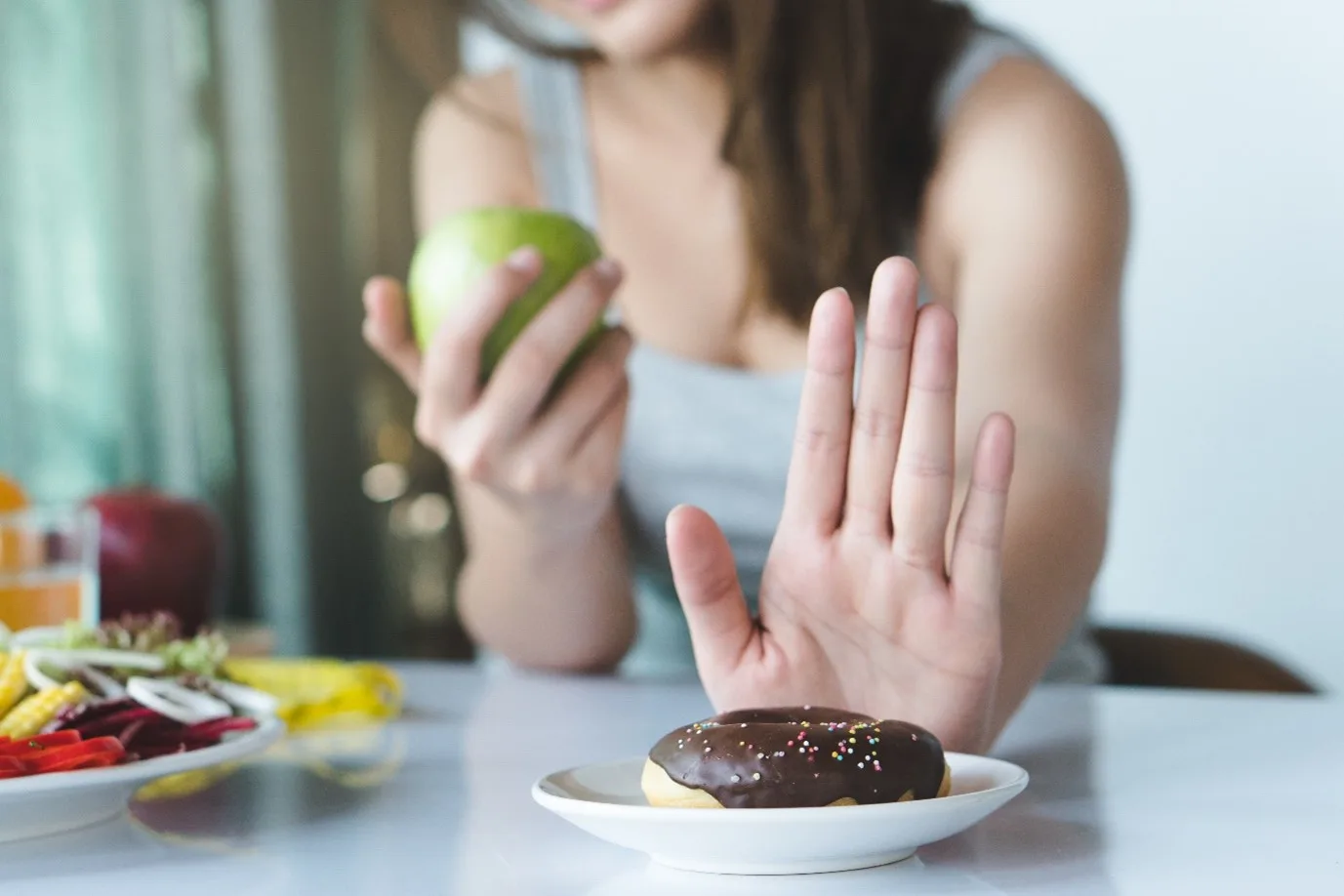
Eating well supports a healthy scalp. Certain foods can cause problems like itching, dryness, or dandruff. Avoiding these foods helps keep your scalp clean and nourished. Focus on a balanced diet with fewer harmful ingredients.
Sugary And Processed Foods
Sugary and processed foods can harm your scalp health. These foods increase inflammation in the body. Inflammation may lead to scalp irritation and flakiness. High sugar intake also affects hormone balance. Hormones control oil production in your scalp. Excess oil can clog hair follicles and cause scalp issues. Processed foods often lack essential nutrients your scalp needs. Choose fresh, whole foods instead for better scalp condition.
Excessive Dairy And Its Effects
Too much dairy can trigger scalp problems for some people. Dairy may cause excess oil production and clogged pores. This can lead to acne or scalp pimples. It might also worsen dandruff or dryness. Some people are sensitive to dairy proteins. This sensitivity can cause inflammation on the scalp. Limiting dairy intake can reduce these issues. Opt for plant-based alternatives if dairy causes discomfort.
Meal Ideas For A Healthy Scalp
A healthy scalp needs good nutrition. Eating the right foods can help your scalp stay strong and fresh. This section shares easy meal ideas. These meals support scalp health by giving your body vitamins and minerals it needs. Try these simple options for every part of your day.
Breakfast Options
Start your day with foods rich in vitamins A and E. Try oatmeal topped with fresh berries and a spoon of flaxseeds. Eggs are great too. They have protein and biotin, which help hair grow strong. A smoothie with spinach, banana, and almond milk works well. These meals give energy and support scalp health.
Lunch And Dinner Choices
Choose meals with omega-3 fatty acids and zinc. Grilled salmon with steamed broccoli is a good choice. Chicken breast with quinoa and mixed greens also helps. Beans and lentils provide protein and iron, which keep your scalp healthy. Include colorful vegetables like carrots and bell peppers. They add vitamin C, which helps with scalp repair.
Snacks That Nourish
Pick snacks that give your scalp a boost. A handful of nuts like walnuts or almonds provides healthy fats and vitamin E. Fresh fruit such as oranges or strawberries gives vitamin C. Yogurt with a drizzle of honey offers probiotics and protein. These snacks keep your scalp nourished between meals.
Frequently Asked Questions
What Foods Promote A Healthy Scalp Naturally?
Foods rich in omega-3 fatty acids, zinc, and vitamins A, C, and E promote scalp health. Include salmon, nuts, spinach, and citrus fruits in your diet for a nourished scalp.
How Does Hydration Affect Scalp Health?
Proper hydration keeps the scalp moist and prevents dryness. Drinking enough water daily helps maintain scalp elasticity and reduces flakiness and irritation.
Can Probiotics Improve Scalp Condition?
Yes, probiotics support gut health, which influences inflammation and skin conditions. Consuming yogurt or fermented foods may reduce scalp issues like dandruff and itchiness.
Which Vitamins Are Essential For Scalp Health?
Vitamins A, D, E, and B-complex are vital for scalp health. They support cell growth, reduce inflammation, and maintain natural oil balance on the scalp.
Conclusion
Eating the right foods helps keep your scalp healthy and strong. Nutrients like vitamins, minerals, and proteins support hair growth and reduce dryness. Simple choices like fruits, vegetables, nuts, and fish make a big difference. Drinking enough water also keeps your scalp hydrated.
Small changes in diet can improve scalp health over time. Start with easy steps and watch your scalp feel better. Healthy eating is a natural way to care for your hair and scalp. Keep it simple, stay consistent, and enjoy the results.