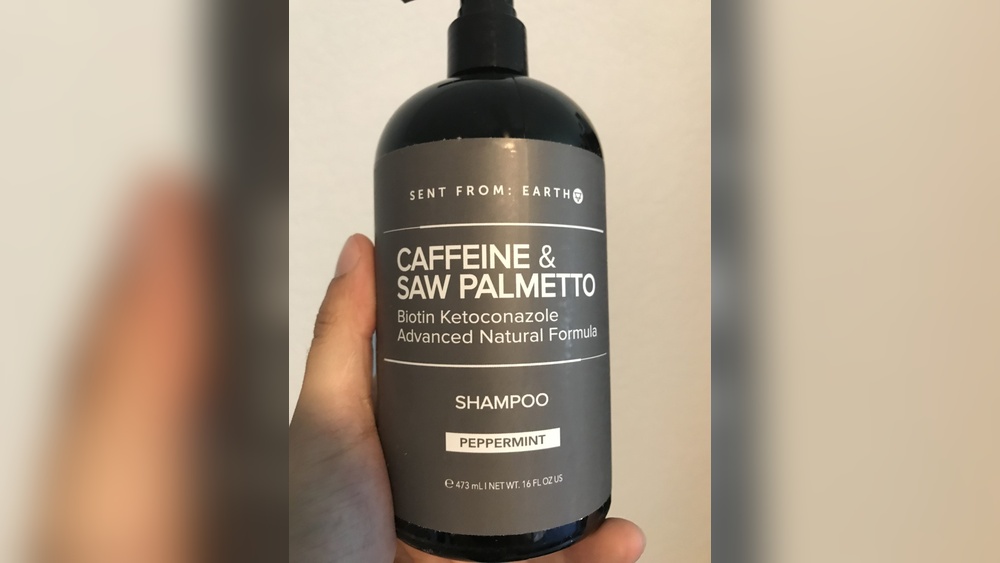
Are you tired of dealing with an itchy scalp or stubborn dandruff? Tea tree oil shampoos might be the simple solution you’ve been looking for.
These shampoos offer a natural way to refresh your hair and soothe your scalp, without harsh chemicals. If you want to unlock healthier, cleaner hair and feel confident every day, keep reading. You’ll discover how tea tree oil shampoos work, why they’re effective, and how to choose the best one for your hair type.
Your hair deserves the best care—let’s find out how tea tree oil can help.
Benefits Of Tea Tree Oil For Hair
Tea tree oil offers many benefits for hair care. It is a natural ingredient that helps keep the scalp and hair healthy. Many shampoos use tea tree oil for its unique qualities. These shampoos help solve common hair problems. The oil works gently yet effectively.
Tea tree oil can improve scalp health and boost hair growth. It cleans the scalp deeply and fights harmful microbes. Using tea tree oil shampoos can lead to stronger, cleaner, and shinier hair. It also calms irritation and reduces flakes. The benefits make it a popular choice for hair care.
Natural Antimicrobial Properties
Tea tree oil has strong antimicrobial effects. It kills bacteria and fungi on the scalp. This helps prevent infections and scalp issues. Clean scalp means healthier hair roots. It also stops bad odors caused by microbes. Using tea tree oil shampoo keeps the scalp fresh and clean.
Soothes Scalp Irritation
The oil soothes itching and redness on the scalp. It reduces inflammation and calms sensitive skin. People with dry or irritated scalp find relief. Tea tree oil helps restore the scalp’s natural balance. This comfort supports better hair growth.
Reduces Dandruff And Flakes
Dandruff causes flakes and discomfort. Tea tree oil fights the fungus that causes dandruff. It reduces flaking and prevents buildup on the scalp. Regular use of tea tree oil shampoo controls dandruff effectively. Hair looks cleaner and feels healthier without flakes.
Promotes Hair Growth
Tea tree oil improves blood flow to hair follicles. This stimulates hair growth and strengthens roots. It clears blocked hair follicles, allowing new hair to grow. Using tea tree oil shampoo supports thicker and fuller hair. The scalp stays healthy, helping hair grow naturally.
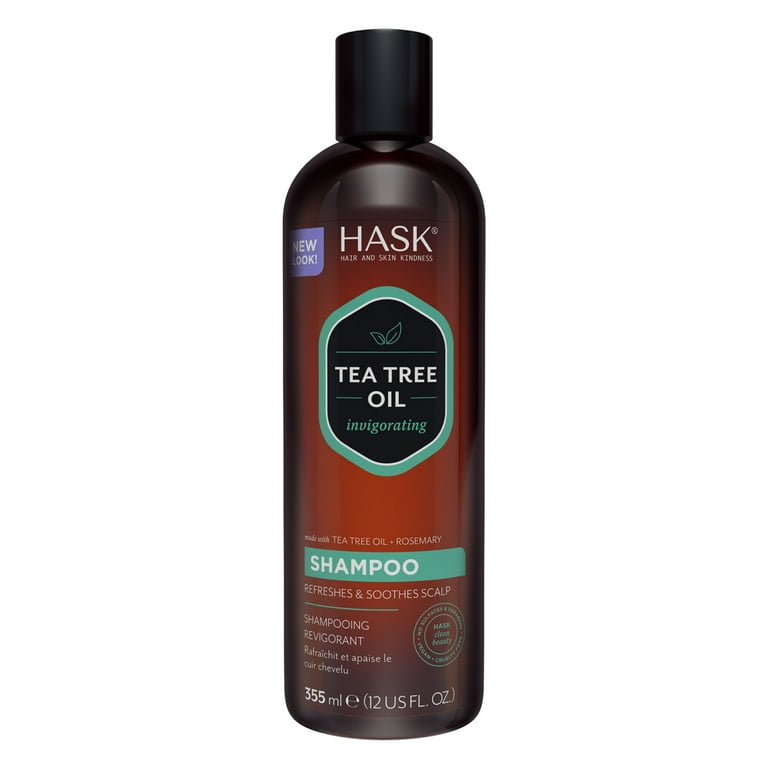
Credit: www.walmart.com
How Tea Tree Oil Shampoos Work
Tea tree oil shampoos offer a natural way to care for your scalp and hair. These shampoos use the power of tea tree oil, known for its cleansing and soothing properties. Understanding how they work helps explain why they are popular for scalp health and hair care.
Cleansing And Detoxifying Effects
Tea tree oil shampoos help remove dirt and buildup from your scalp. They clear away excess oils and impurities that clog hair follicles. This cleansing action keeps your scalp fresh and reduces dandruff. It supports healthier hair growth by maintaining a clean scalp environment.
Balancing Scalp Oil Production
These shampoos regulate the amount of oil your scalp produces. Too much oil can make hair look greasy and weigh it down. Too little oil leads to dryness and itchiness. Tea tree oil helps balance oil levels, creating the right conditions for healthy hair.
Refreshing And Cooling Sensation
Tea tree oil shampoos provide a cooling feeling during use. This sensation helps soothe irritation and calm the scalp. It also leaves a fresh, invigorating feeling after washing. This refreshing effect makes the shampoo pleasant to use daily.
Choosing The Right Tea Tree Oil Shampoo
Choosing the right tea tree oil shampoo can improve your scalp health and hair quality. Not all shampoos with tea tree oil are the same. Some formulas suit dry hair, others help oily scalp. Knowing what to pick helps you avoid bad reactions. This guide breaks down key points to consider before buying.
Ingredients To Look For
Tea tree oil should be near the top of the ingredient list. It means the shampoo contains a good amount. Look for natural oils like jojoba or argan. They add moisture and shine. Ingredients like aloe vera calm the scalp. Avoid shampoos with strong artificial fragrances. They can irritate sensitive skin.
Avoiding Harmful Additives
Skip shampoos with sulfates like SLS or SLES. These can dry out hair and scalp. Parabens and phthalates may cause allergies. Choose products labeled sulfate-free and paraben-free. Harsh chemicals reduce the benefits of tea tree oil. The gentler the shampoo, the better for scalp health.
Shampoo Types For Different Hair Needs
For oily scalp, use a clarifying tea tree shampoo. It removes excess oil and buildup. Dry or damaged hair needs a moisturizing formula. These shampoos include extra conditioners. Sensitive scalps benefit from shampoos with soothing ingredients. Some formulas target dandruff with antifungal properties. Match the shampoo to your hair type for best results.

Credit: www.food4less.com
Using Tea Tree Oil Shampoo Effectively
Using tea tree oil shampoo correctly helps you get the best results. This natural shampoo cleans your scalp deeply and soothes irritation. Follow simple steps to protect your hair and scalp health.
Proper Washing Techniques
Start by wetting your hair with warm water. Apply a small amount of shampoo to your scalp. Gently massage in circular motions for about two minutes. Avoid rubbing hair strands roughly. Rinse thoroughly to remove all shampoo. This keeps your scalp clean without drying it out.
Frequency Of Use
Use tea tree oil shampoo two to three times a week. Daily use might cause dryness or irritation. Give your scalp time to adjust between washes. Watch how your scalp feels. Adjust frequency if your scalp feels dry or itchy.
Combining With Other Hair Care Products
Use conditioner after shampooing to keep hair soft. Choose mild, fragrance-free conditioners to avoid irritation. Avoid heavy styling products on days you use tea tree shampoo. Natural oils and serums can help keep hair healthy. Apply them lightly to avoid buildup on the scalp.
Potential Side Effects And Precautions
Tea tree oil shampoos offer many benefits but can cause side effects for some users. Knowing the potential risks helps keep your hair care routine safe. Always take precautions before using these products regularly.
Allergic Reactions
Some people may have allergies to tea tree oil. This can cause redness, swelling, or itching on the scalp. Severe reactions might include hives or difficulty breathing. Stop using the shampoo immediately if any allergic signs appear. Seek medical advice in serious cases.
Sensitivity And Irritation Risks
Tea tree oil is strong and can irritate sensitive skin. Users might feel burning, dryness, or flaking after use. These symptoms often mean the shampoo is too harsh. Using it less often or diluting with water may reduce irritation. Avoid contact with eyes as it causes stinging and discomfort.
Patch Testing Guidelines
Testing a small area before full use can prevent bad reactions. Apply a small drop of shampoo behind the ear or on the wrist. Wait 24 hours and watch for redness or itching. If no reaction occurs, the product is likely safe to use. Patch testing is a simple step to avoid skin problems.
Diy Tea Tree Oil Shampoo Recipes
Making your own tea tree oil shampoo is easy and fun. You control the ingredients and avoid harsh chemicals. This natural shampoo helps fight dandruff and soothes the scalp. Below are simple recipes and tips to create your own effective shampoo at home.
Simple Homemade Shampoo
Start with a gentle liquid soap as your base. Use 1 cup of liquid castile soap for a mild cleanser. Add 1 teaspoon of tea tree oil to fight scalp issues. Mix well in a clean bottle. Shake before each use to blend the oils evenly.
Adding Essential Oils For Extra Benefits
Add other oils to boost your shampoo’s power. Lavender oil calms the scalp and adds a fresh scent. Peppermint oil refreshes and cools the skin. Use only a few drops of each oil to avoid irritation. Mix carefully to keep the blend balanced.
Storage And Shelf Life Tips
Store your shampoo in a dark, cool place to keep it fresh. Use a pump bottle for easy use and less mess. Homemade shampoo lasts about 2 weeks without preservatives. Make small batches to avoid waste. Always check the smell and texture before use.
Real User Experiences And Reviews
Real user experiences offer valuable insights into tea tree oil shampoos. They reveal how effective these shampoos are for different hair types and scalp conditions. Reviews help understand common benefits and issues people face. Reading personal stories can guide you in choosing the right product for your needs.
Success Stories
Many users report clearer, healthier scalps after using tea tree oil shampoo. Some say it reduced their dandruff and itchiness within weeks. Others mention their hair feels softer and fresher. A few even noticed less hair fall. These success stories show how tea tree oil shampoo can improve scalp health naturally.
Common Complaints
Some users find tea tree oil shampoos too strong or drying. A few people experience scalp irritation or redness. Others mention the scent can be too sharp or medicinal. Not every shampoo works well for all hair types. These complaints highlight the importance of choosing the right formula and frequency.
Tips From Regular Users
Many regular users suggest diluting the shampoo if it feels too strong. Massaging the scalp gently helps improve blood flow and shampoo effectiveness. Using a conditioner after shampooing prevents dryness. Avoid applying too much product to stop build-up. Consistency is key; regular use gives better results.
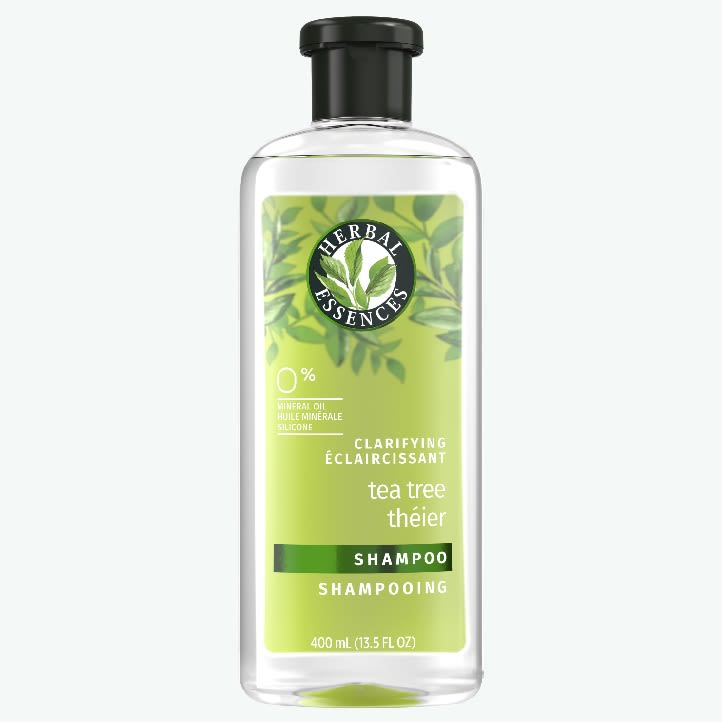
Credit: herbalessences.com
Comparing Tea Tree Oil Shampoos With Other Alternatives
Tea tree oil shampoos offer unique benefits for hair and scalp care. Comparing them with other natural alternatives helps find the best choice. Aloe vera and peppermint oil shampoos also have strong qualities. Understanding their differences guides better decisions.
Tea Tree Oil Vs. Aloe Vera
Tea tree oil fights dandruff and soothes itchy scalp effectively. It has antiseptic and antifungal properties. Aloe vera, on the other hand, hydrates and nourishes the scalp deeply. It calms irritation but does not treat infections like tea tree oil. Both support healthy hair but serve different needs.
Tea Tree Oil Vs. Peppermint Oil
Peppermint oil refreshes the scalp with a cooling sensation. It improves blood flow and may stimulate hair growth. Tea tree oil focuses more on cleansing and reducing scalp bacteria. Peppermint oil feels energizing, while tea tree oil feels cleansing. Each oil offers distinct benefits for scalp care.
When To Choose Other Options
Choose aloe vera shampoo if your scalp is dry or sensitive. It moisturizes without causing irritation. Opt for peppermint oil shampoo for a fresh feeling and scalp stimulation. Tea tree oil shampoo suits those with dandruff or oily scalp issues. Match the shampoo to your scalp condition and hair needs for best results.
Frequently Asked Questions
What Are The Benefits Of Tea Tree Oil Shampoos?
Tea tree oil shampoos help reduce dandruff and soothe scalp irritation. They have natural antifungal and antibacterial properties. These shampoos promote healthy hair growth and cleanse the scalp deeply. They are ideal for oily and itchy scalps.
How Often Should I Use Tea Tree Oil Shampoo?
Using tea tree oil shampoo 2-3 times a week is recommended. Overuse may cause dryness or irritation. For sensitive scalps, start with once a week. Adjust frequency based on your scalp’s response and hair type.
Can Tea Tree Oil Shampoo Help With Dandruff?
Yes, tea tree oil shampoo effectively combats dandruff. It reduces scalp flakes by eliminating fungus and bacteria. Its soothing properties also relieve itchiness and dryness. Regular use improves scalp health and reduces dandruff recurrence.
Is Tea Tree Oil Shampoo Safe For Colored Hair?
Tea tree oil shampoo is generally safe for colored hair. It cleanses without stripping natural oils or color. However, choose a sulfate-free formula to protect hair color. Always do a patch test to avoid any allergic reaction.
Conclusion
Tea tree oil shampoos help keep your scalp clean and healthy. They reduce itchiness and fight dandruff effectively. Using these shampoos regularly can improve hair strength and shine. Many people find relief from scalp problems with tea tree oil. Choose a shampoo that suits your hair type for best results.
Remember, gentle care leads to better hair health. Try tea tree oil shampoo to see the difference yourself. Simple steps can bring great changes to your hair care routine.