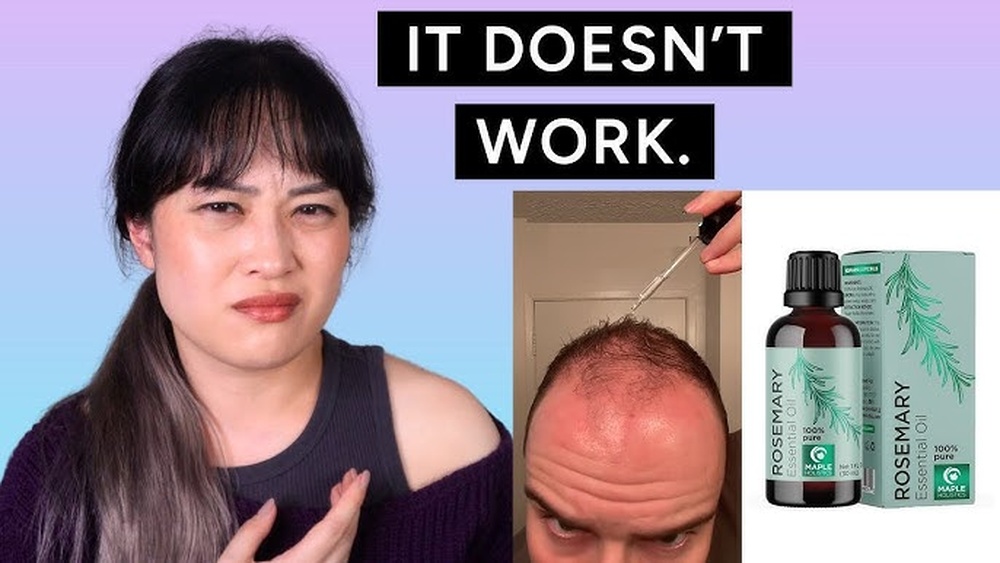
Are you tired of trying countless hair products that promise growth but deliver little? Rosemary oil has gained a lot of attention as a natural solution for thicker, healthier hair.
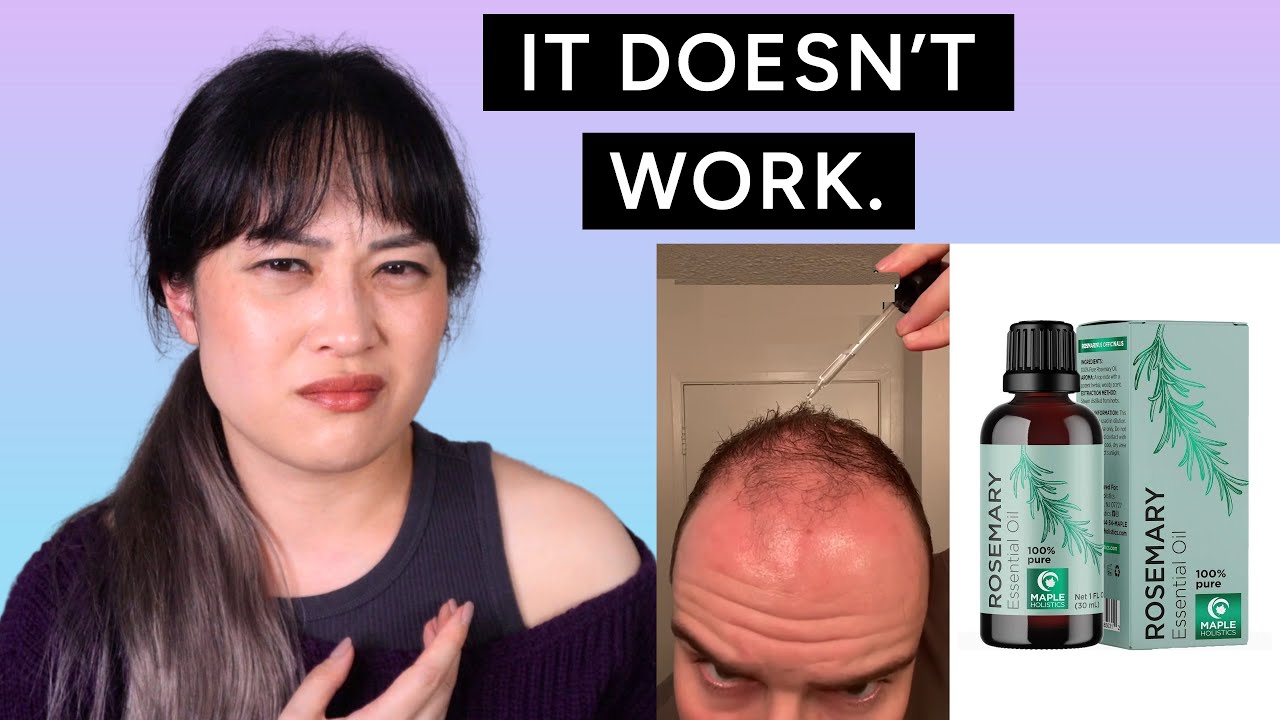
But does it really work, or is it just another beauty myth? You’ll discover the truth behind rosemary oil and how it might help you achieve the hair growth you’ve been hoping for. Keep reading to find out if this ancient remedy could be the answer your hair has been waiting for.
Credit: www.youtube.com
Benefits Of Rosemary Oil
Rosemary oil offers many benefits for hair health. It nourishes the scalp and supports hair growth naturally. This essential oil has properties that improve hair strength and scalp condition. People have used it for centuries to maintain shiny, healthy hair.
Stimulates Scalp Circulation
Rosemary oil helps increase blood flow to the scalp. Better circulation means more nutrients reach hair follicles. This stimulation encourages hair growth and prevents thinning. A healthy scalp environment supports stronger, thicker hair.
Strengthens Hair Follicles
The oil contains compounds that reinforce hair follicles. Strong follicles reduce hair breakage and loss. Regular use can lead to fuller, healthier hair strands. It helps keep hair roots firm and less prone to damage.
Reduces Dandruff And Itchiness
Rosemary oil has natural antiseptic properties. It soothes the scalp and reduces flakiness. Less dandruff means less itching and irritation. A clean scalp creates better conditions for hair growth.
Natural Antioxidant Properties
Rosemary oil is rich in antioxidants. These protect hair from damage caused by free radicals. Antioxidants help maintain hair’s natural shine and strength. They also support overall scalp health for lasting benefits.
Scientific Evidence On Hair Growth
Rosemary oil has gained popularity for hair growth. People want to know if science supports these claims. Research offers insights into how rosemary oil affects hair health and growth. This section explores scientific evidence to help you understand its benefits.
Clinical Studies And Trials
Several clinical studies tested rosemary oil on hair growth. One study compared rosemary oil with minoxidil, a common hair loss treatment. Both showed similar improvements in hair count after six months. Participants also reported less scalp itching with rosemary oil. These trials suggest rosemary oil may be a safe alternative for hair growth.
Comparison With Other Oils
Rosemary oil is often compared to oils like peppermint and castor oil. Studies show peppermint oil can increase hair follicle size and depth. Castor oil mainly moisturizes and strengthens hair strands. Rosemary oil stands out for its ability to improve blood flow to the scalp. This may boost hair follicle health more than some other oils.
Mechanism Of Action
Rosemary oil works by improving blood circulation in the scalp. Better blood flow delivers more nutrients to hair follicles. It also has anti-inflammatory properties that reduce scalp irritation. Some compounds in rosemary oil may block DHT, a hormone linked to hair loss. These effects help create a healthier environment for hair growth.
How To Use Rosemary Oil
Rosemary oil is popular for hair growth and scalp health. Using it correctly helps you get the best results. This section explains easy ways to apply rosemary oil safely and effectively. Follow these tips to care for your hair and scalp.
Dilution And Application Tips
Pure rosemary oil is strong and can irritate the skin. Always dilute it with a carrier oil like coconut or jojoba oil. Use about 3-5 drops of rosemary oil per tablespoon of carrier oil. Mix well before applying.
Apply the mixture directly to your scalp. Use your fingertips to massage it gently. This helps blood flow and allows the oil to absorb better. Avoid applying too much. A small amount goes a long way.
Diy Hair Masks And Treatments
Create a simple hair mask using rosemary oil and natural ingredients. Combine rosemary oil with honey and yogurt for deep hydration. Apply the mask evenly on your scalp and hair. Leave it on for 20-30 minutes before washing.
You can also mix rosemary oil with aloe vera gel. This mix soothes the scalp and promotes hair strength. Use these treatments once or twice a week for best effects.
Frequency And Duration
Use rosemary oil treatments 2-3 times per week. Regular use helps maintain scalp health and encourages hair growth. Avoid daily use to prevent irritation.
Massage the oil into your scalp for 5-10 minutes each time. Let the oil stay on your scalp for at least 30 minutes. For deeper treatment, leave it overnight and wash in the morning.
Potential Side Effects
Rosemary oil is popular for hair growth, but it may cause side effects. Knowing the risks helps you use it safely. Some people might react differently to this natural oil. Watch for any unusual signs after use.
Allergic Reactions
Some users may develop allergies to rosemary oil. Symptoms include itching, redness, or swelling on the skin. A rash might appear on the scalp or neck. Stop use immediately if these signs show. Testing a small skin patch first can help avoid serious allergies.
Scalp Sensitivity
Rosemary oil can cause scalp sensitivity for some people. It may feel burning, stinging, or dryness after applying. Sensitive skin reacts more strongly to essential oils. Diluting rosemary oil with a carrier oil reduces irritation. Avoid using it on broken or damaged skin.
Precautions For Use
Always dilute rosemary oil before applying to the scalp. Use only a few drops mixed with coconut or olive oil. Avoid contact with eyes and mucous membranes. Keep out of reach of children and pets. Pregnant or breastfeeding women should consult a doctor before use.
Choosing Quality Rosemary Oil
Choosing the right rosemary oil is key for hair growth benefits. Not all oils are the same. Some contain pure rosemary extract, while others mix different oils. The quality affects how well the oil works on your scalp and hair.
Pure Vs Blended Oils
Pure rosemary oil contains only rosemary extract. It is stronger and more effective for hair growth. Blended oils mix rosemary with other oils. These blends may dilute the rosemary’s benefits. Always check the label to see if the oil is 100% pure.
Organic And Cold-pressed Options
Organic rosemary oil is grown without chemicals. This makes it safer and better for your hair. Cold-pressed oils keep natural nutrients intact. They provide more vitamins and antioxidants. Choose organic, cold-pressed rosemary oil for the best results.
Storage And Shelf Life
Rosemary oil lasts longer when stored properly. Keep it in a dark glass bottle to avoid sunlight damage. Store in a cool, dry place away from heat. Proper storage keeps the oil fresh and effective for months.
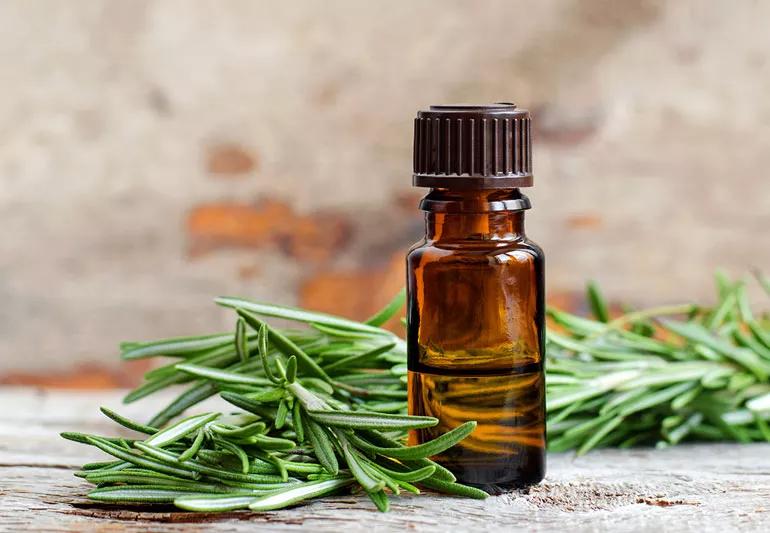
Credit: health.clevelandclinic.org
User Experiences And Testimonials
User experiences provide real insight into rosemary oil’s effect on hair growth. Many people share their stories online. These testimonials highlight both successes and struggles. They help others decide if rosemary oil might work for them.
Listening to regular users reveals practical tips and common issues. It shows the range of results from positive to challenging. This section collects honest feedback from those who have tried rosemary oil.
Positive Results
Many users report thicker and healthier hair after using rosemary oil. Some notice less hair fall within a few weeks. Scalp itchiness often decreases too. Several people say their hair feels softer and looks shinier. Consistent use seems to boost hair growth in some cases. These positive stories encourage others to try rosemary oil.
Common Challenges
Some users face mild irritation or redness on the scalp. A few mention a strong smell that takes time to get used to. Results are not instant; patience is key. Others find no visible change even after months. Mixing rosemary oil with carrier oils can reduce side effects. These challenges are part of the trial and error process.
Tips From Regular Users
Apply rosemary oil mixed with coconut or jojoba oil. Massage the scalp gently for better absorption. Use it two to three times weekly for best results. Avoid direct contact with eyes and broken skin. Store the oil in a cool, dark place. Regular users stress patience and consistency as essential. Small steps add up to noticeable improvements.

Credit: labmuffin.com
Frequently Asked Questions
Does Rosemary Oil Really Promote Hair Growth?
Yes, rosemary oil stimulates blood circulation in the scalp, which can promote hair growth. Studies show it may reduce hair thinning and improve follicle health over time.
How Should I Use Rosemary Oil For Hair Growth?
Mix a few drops of rosemary oil with a carrier oil like coconut. Massage into the scalp for 5-10 minutes, then leave it on for at least 30 minutes before washing.
Can Rosemary Oil Prevent Hair Loss Effectively?
Rosemary oil has anti-inflammatory and antioxidant properties that can reduce scalp irritation. This helps prevent hair loss caused by inflammation and improves overall scalp health.
Is Rosemary Oil Safe For All Hair Types?
Yes, rosemary oil is generally safe for all hair types. However, it’s best to do a patch test first to avoid any allergic reactions or irritation.
Conclusion
Rosemary oil may help support healthy hair growth. Many people find it soothing and good for scalp health. Results can vary from person to person. Using it regularly and with care is important. Always test for allergies before full use.
Combining rosemary oil with a good hair routine works best. Keep expectations realistic; it is not a miracle cure. Trying natural options can be a gentle way to care for hair. Simple steps often lead to better hair over time.