Are you tired of dealing with dry, brittle hair that just won’t behave? A protein hair mask could be the game-changer your hair has been begging for.
Imagine restoring strength, shine, and softness with just one simple treatment. You’ll discover how protein hair masks work, why they’re essential for healthy hair, and how to choose the perfect one for your needs. Keep reading—you’re about to unlock the secret to hair that looks and feels amazing every day.
Why Protein Matters For Hair
Protein is a key part of healthy hair. It helps keep hair strong and smooth. Hair is mostly made of a protein called keratin. Without enough protein, hair can become weak and break easily.
Using a protein hair mask can help repair damage. It adds the protein your hair needs. This makes hair look fuller and healthier. Understanding why protein matters helps you care for your hair better.
Role Of Protein In Hair Structure
Protein forms the main structure of hair strands. Keratin proteins build the hair’s outer layer. This layer protects hair from damage and keeps it firm.
Protein also helps hair keep its shape. It repairs broken bonds caused by heat and chemicals. Strong protein links mean less hair breakage and split ends.
Signs Of Protein Deficiency
Hair feels limp and weak without enough protein. It breaks easily and looks dull. Hair may stretch more than usual and then snap.
Excessive hair shedding can also mean low protein. Hair feels rough and loses its shine. Protein treatments help restore strength and shine.
How Protein Hair Masks Work
Protein hair masks rebuild and strengthen hair from the inside. Hair is made of keratin, a type of protein. Damage from heat, chemicals, and weather can break down this protein. Protein masks fill in these gaps and cracks in the hair shaft.
They create a protective layer around each strand. This layer helps reduce breakage and split ends. Protein masks also improve hair texture and shine. They give hair a fuller and healthier look.
Types Of Proteins Used
Different protein types serve various hair needs. Hydrolyzed proteins are broken into small pieces. They easily penetrate hair and repair damage inside. Common types include keratin, silk, and wheat proteins.
Keratin is the main protein in hair and nails. Silk protein smooths and adds shine. Wheat protein helps retain moisture and adds strength. Each type targets specific hair problems.
Benefits For Damaged Hair
Protein masks restore strength to weak hair strands. They reduce hair breakage and split ends. Hair feels thicker and less brittle after use. These masks improve hair elasticity and reduce frizz.
They also protect hair from future damage. Protein masks help hair grow healthier over time. Using them regularly can improve overall hair health.
Choosing The Right Protein Mask
Choosing the right protein hair mask is important for healthy hair. Different hair types need different care. A mask that works for one person may not suit another. Understanding your hair type and ingredients helps find the best mask. This guide will help you pick the perfect protein hair mask.
Hair Type Considerations
Fine hair needs light protein masks to avoid heaviness. Thick or curly hair benefits from rich, deep-conditioning masks. Damaged hair requires masks with strong repairing proteins. Oily hair should use masks that do not weigh hair down. Normal hair can handle balanced protein masks for maintenance. Match the mask to your hair’s needs for best results.
Ingredients To Look For
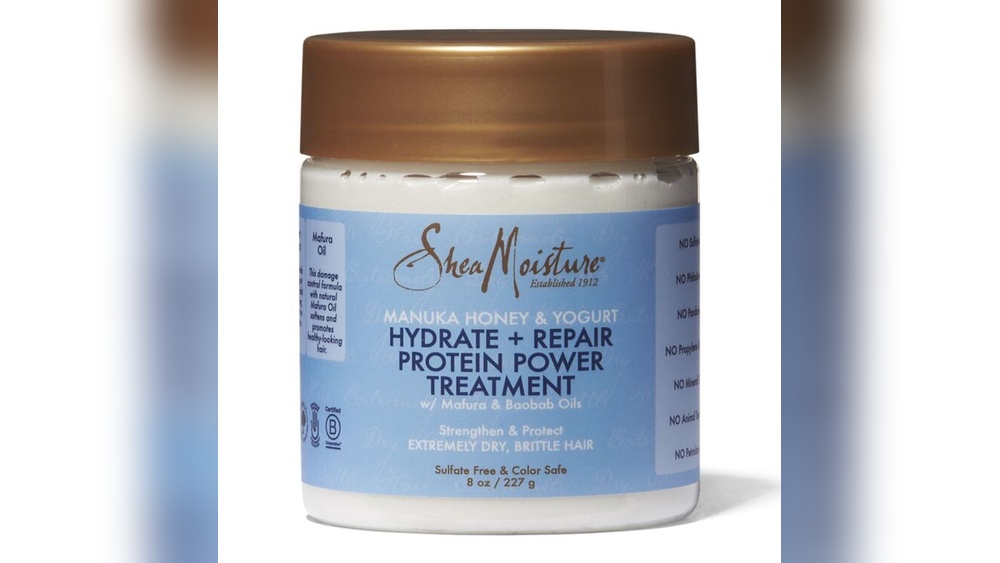
Hydrolyzed keratin is a common protein that strengthens hair. Silk protein adds smoothness and shine. Collagen improves elasticity and reduces breakage. Amino acids help rebuild hair structure. Avoid masks with harsh chemicals or heavy oils. Natural extracts like aloe or coconut oil add moisture. Choose masks with simple, effective ingredients for healthy hair.

Credit: kl-elektro.cz
Step-by-step Application Guide
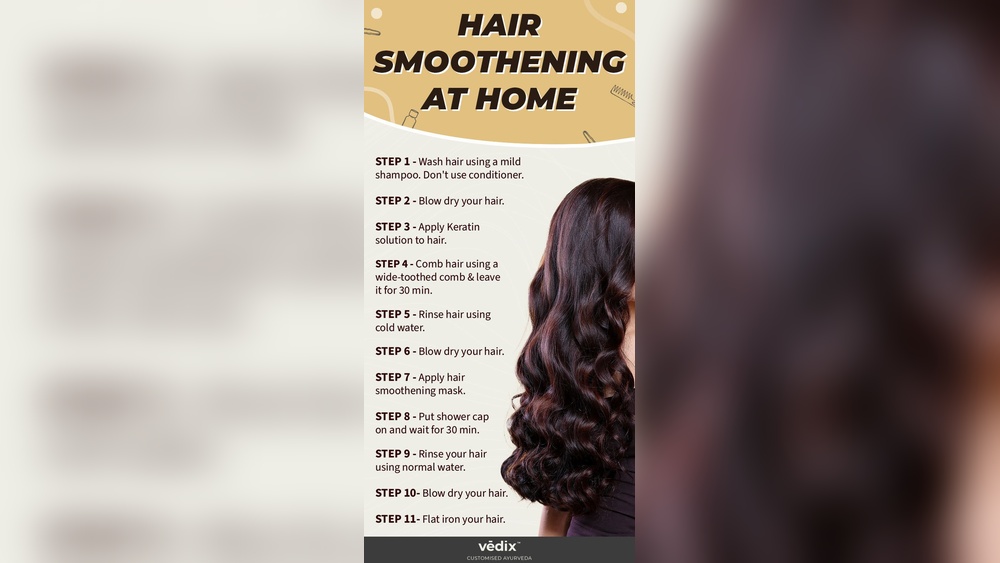
Using a protein hair mask can improve your hair’s strength and shine. Follow these clear steps to get the best results. This guide shows how to prepare, apply, and care for your hair after the mask.
Preparing Your Hair
Start with clean hair. Use a gentle shampoo to remove dirt and oil. Do not use conditioner before the mask. Towel dry your hair until it is damp but not dripping wet. This helps the mask to soak in better.
Applying The Mask Effectively
Take a small amount of the protein mask. Focus on the mid-lengths and ends of your hair. Avoid the scalp to prevent greasiness. Use your fingers or a wide-tooth comb to spread the mask evenly. Cover all strands for full treatment.
Rinsing And Aftercare Tips
Leave the mask on for the time shown on the package. Usually, this is between 5 and 20 minutes. Rinse your hair well with lukewarm water until no residue remains. Finish with a light conditioner if your hair feels dry. Let your hair air dry or use a low heat setting on your dryer.
Frequency And Timing
Using a protein hair mask at the right time and often enough is key for healthy hair. Protein helps fix damaged hair and makes it strong. But too much protein can make hair stiff and dry. Finding the right balance keeps hair soft and healthy.
Timing also matters. Applying the mask too close to washing or styling can reduce its effects. Knowing how often and when to use protein masks brings the best results.
How Often To Use Protein Masks
Most hair types benefit from a protein mask once every one to two weeks. Hair that is damaged or chemically treated may need it weekly. Normal hair can use it every two weeks or less. Overuse can cause hair to feel hard and brittle.
Pay attention to your hair’s reaction. If it feels dry or breaks easily, reduce the frequency. If hair feels soft and strong, you are using the right amount. Adjust based on how your hair looks and feels.
Avoiding Protein Overload
Protein overload happens when hair gets too much protein. Hair feels dry, rough, and breaks easily. It loses its natural shine and softness. To avoid this, balance protein masks with moisturizing treatments.
Use deep conditioners or oils between protein treatments. This keeps hair hydrated and flexible. Also, do not use protein masks on the same day as heat styling. Give hair time to rest and absorb the mask fully.

Credit: us.lorealprofessionnel.com
Diy Protein Hair Mask Recipes
DIY protein hair mask recipes help nourish and repair hair naturally. These masks use simple ingredients found at home. They strengthen hair strands and reduce breakage. You can make these masks quickly and easily. Creating your own mask saves money and avoids harsh chemicals.
Protein masks add essential nutrients to hair. They work well for dry, damaged, or weak hair. Using homemade masks regularly improves hair health and shine. Let’s explore some easy recipes and ways to customize them.
Simple Ingredients At Home
Common kitchen items make great protein masks. Eggs, yogurt, and honey are rich in protein and moisture. Eggs contain keratin, which strengthens hair. Yogurt smooths hair and adds softness. Honey acts as a natural humectant, locking in moisture.
Mix one egg with two tablespoons of yogurt. Add a teaspoon of honey for extra shine. Stir well and apply to damp hair. Leave the mask on for 20 minutes. Rinse thoroughly with cool water to avoid cooking the egg.
Customizing For Your Hair Needs
Adjust your mask based on hair type and concerns. For oily hair, use less honey and more yogurt. Dry hair benefits from extra honey or a few drops of olive oil. Damaged hair needs a stronger protein boost; add a tablespoon of coconut oil or avocado.
For sensitive scalp, avoid eggs and try aloe vera gel with yogurt. Experiment with ingredients to find what suits your hair best. Always do a patch test to prevent allergic reactions. Tailor your mask for smooth, strong, and healthy hair.
Common Myths About Protein Treatments
Protein hair masks are popular for strengthening and repairing hair. Many people have questions about how they work. Some beliefs about protein treatments are not true. Understanding facts helps you use these masks better. Let’s clear up common myths and see what science says.
Debunking Misconceptions
Some think protein treatments make hair stiff and dry. This is not always true. Using the right amount keeps hair soft and strong. Another myth is protein masks cause hair to break more. Actually, they help fix damaged strands and reduce breakage. People worry protein builds up and harms hair. Proper washing prevents buildup and keeps hair healthy.
Truths Backed By Science
Protein helps fill gaps in damaged hair cuticles. This makes hair stronger and less likely to break. Hair is made of keratin, a type of protein. Adding protein supports natural hair structure. Studies show protein treatments improve hair elasticity and shine. Using masks as directed gives the best results.
Enhancing Results With Complementary Care
Protein hair masks help repair and strengthen damaged hair. To get the best results, combine them with other hair care steps. This approach keeps your hair healthy and shiny for longer.
Using a protein mask alone is not enough. Hair needs both protein and moisture to stay strong and soft. Balancing these two is key to healthy hair.
Moisture And Protein Balance
Hair needs moisture to stay flexible. Protein rebuilds the hair’s structure. Too much protein can make hair stiff and dry. Too much moisture can make hair weak and limp. Use a protein mask once a week for repair. Follow with a deep conditioner to add moisture. This balance helps hair avoid breakage and dryness.
Best Practices For Hair Health
Use lukewarm water to wash your hair. Hot water can strip natural oils. Gently towel dry to avoid damage. Avoid brushing wet hair. Use a wide-tooth comb instead. Limit heat styling tools to prevent breakage. Protect hair from sun and pollution with hats or scarves. Regular trims remove split ends and keep hair healthy.

Credit: www.amazon.com
Frequently Asked Questions
What Is A Protein Hair Mask?
A protein hair mask is a deep conditioning treatment. It restores hair strength by replenishing lost protein. It repairs damaged strands and prevents breakage. This mask improves hair texture and elasticity. Regular use results in healthier, shinier hair.
How Often Should I Use A Protein Hair Mask?
Use a protein hair mask once every 1-2 weeks. Overusing can cause hair stiffness and dryness. Frequency depends on hair damage and type. For severely damaged hair, weekly use is beneficial. Normal hair types should opt for biweekly treatments.
Can Protein Hair Masks Repair Damaged Hair?
Yes, protein hair masks repair damaged hair by strengthening strands. They fill gaps in the hair cuticle caused by damage. This reduces breakage and split ends. Masks also improve hair elasticity and resilience. Results appear with consistent use over time.
Are Protein Hair Masks Suitable For All Hair Types?
Protein hair masks suit most hair types, especially damaged or brittle hair. Curly and chemically treated hair benefit greatly. However, fine or oily hair may need less frequent use. Always check mask ingredients and conduct a patch test for best results.
Conclusion
Protein hair masks help repair and strengthen damaged hair. They add moisture and improve hair texture. Regular use can reduce breakage and split ends. Hair feels softer and looks healthier over time. Choose a mask that suits your hair type.
Apply it as directed for best results. Healthy hair needs care and the right products. Try a protein hair mask to boost your hair’s health today. Simple steps make a big difference in hair care.