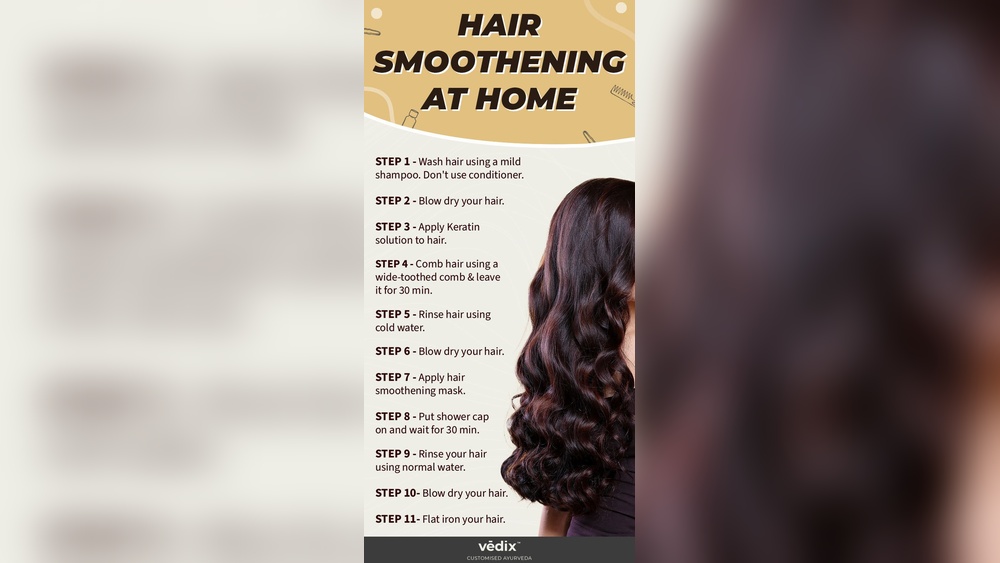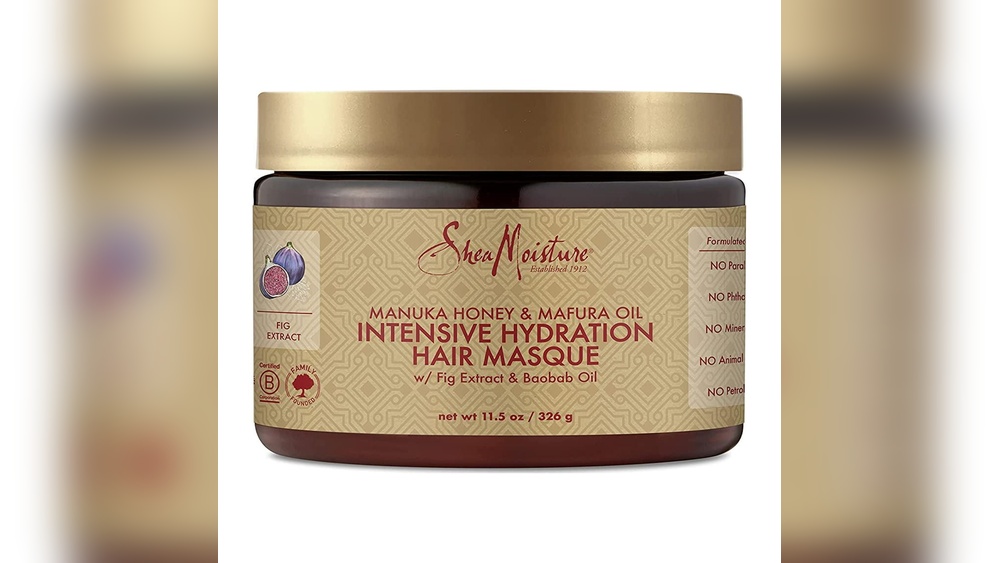
Is your hair feeling dry, brittle, or lifeless? You’re not alone.
When your hair lacks moisture, it can look dull and become hard to manage. That’s where a moisture hair mask comes in. This simple treatment can bring your hair back to life, making it soft, shiny, and full of bounce.
Keep reading to discover how the right moisture hair mask can transform your hair routine and give you the healthy, vibrant hair you’ve been dreaming of.
Benefits Of Moisture Hair Masks
Moisture hair masks help keep hair healthy and strong. They give extra care that daily shampoos miss. These masks add important hydration and nutrients to dry, damaged hair.
Using a moisture hair mask regularly can make hair look better and feel softer. It helps fix damage caused by heat, chemicals, and the environment. The result is healthier, shinier hair that feels smooth to touch.
Hydration And Repair
Moisture hair masks deeply hydrate hair strands. They bring water back to dry, brittle hair. This hydration stops hair from breaking and splitting.
These masks also repair damage from styling and pollution. They fill cracks in the hair shaft. This repair strengthens hair and prevents further harm.
Improved Hair Texture
Regular use of moisture masks softens rough hair. They smooth the outer layer of hair strands. This change makes hair easier to comb and style.
Hair feels less frizzy and more manageable. The texture becomes silkier and more consistent from root to tip.
Enhanced Shine And Softness
Moisture masks add a natural shine to dull hair. They coat hair with nourishing oils and proteins. This coating reflects light, making hair look glossy.
Softness increases as masks improve hair’s moisture balance. Hair feels gentle and smooth instead of dry or coarse.
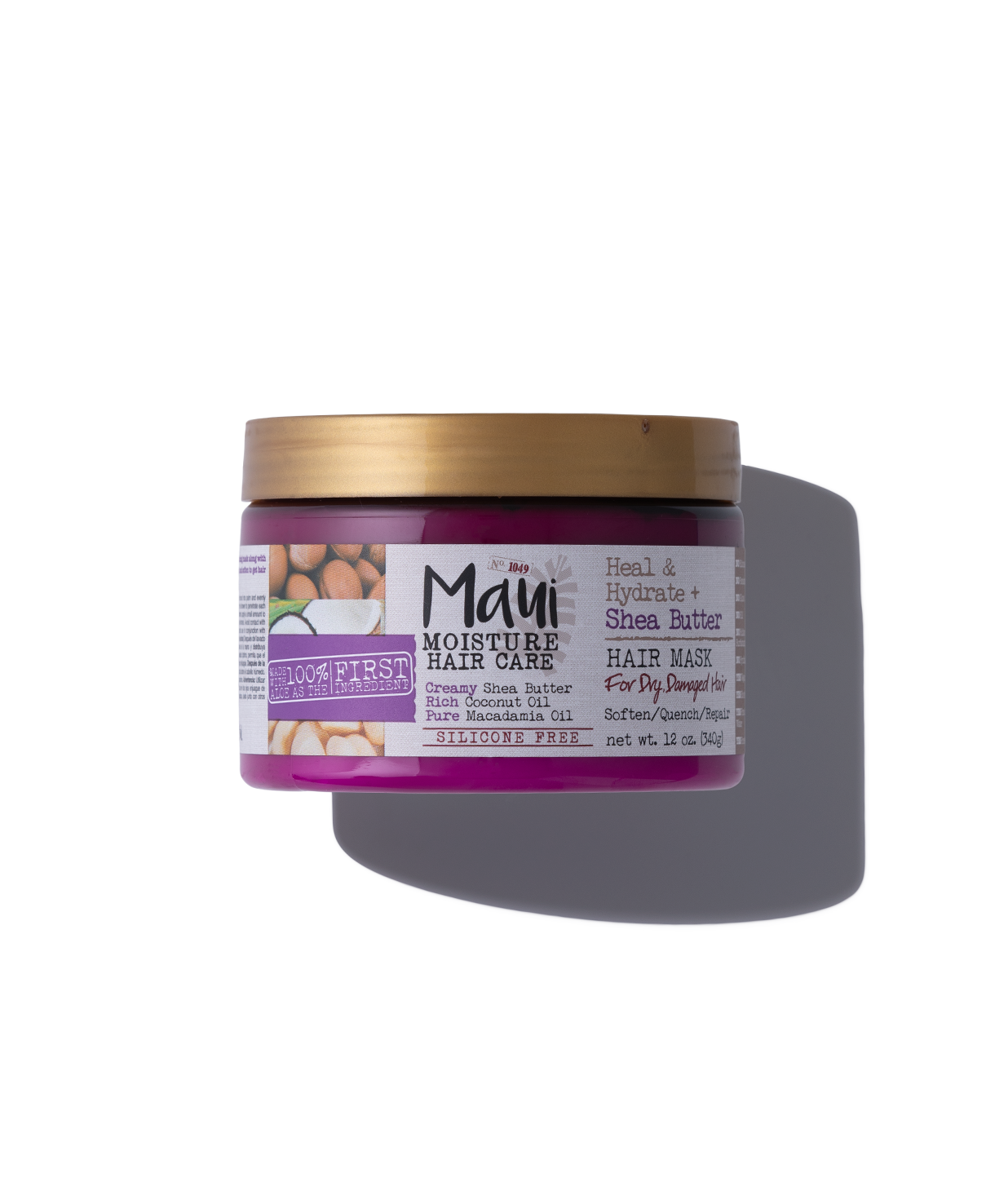
Credit: www.mauimoisture.com
Key Ingredients To Look For
Choosing the right moisture hair mask depends on its ingredients. Some ingredients help hair stay soft and strong. Others keep hair hydrated and healthy. Knowing these key ingredients helps pick a good product. Below are important ingredients to check on the label.
Natural Oils And Butters
Natural oils like coconut and argan oil deeply nourish hair. They add shine and reduce frizz. Butters such as shea butter soften hair and protect it. These ingredients lock in moisture and improve texture. They are gentle and suit many hair types.
Humectants And Proteins
Humectants attract water to hair strands. Ingredients like glycerin and honey keep hair hydrated. Proteins like keratin and silk rebuild damaged hair. They strengthen hair and reduce breakage. Together, humectants and proteins improve hair health.
Vitamins And Antioxidants
Vitamins like E and B5 nourish the scalp and hair. Antioxidants protect hair from damage caused by the environment. These ingredients help hair grow stronger and look healthier. They keep hair fresh and vibrant over time.
Choosing The Right Mask For Your Hair Type
Choosing the right moisture hair mask depends on your hair type. Each hair type needs different care to stay healthy and hydrated. Picking the correct mask helps fix problems and keeps hair soft and shiny. Understanding your hair type is the first step to find the perfect mask.
Dry And Damaged Hair
Dry and damaged hair needs deep moisture and repair. Look for masks with oils like argan or coconut. These oils help restore softness and reduce breakage. Masks with proteins also rebuild weak hair strands. Use these masks once or twice a week for best results.
Fine And Thin Hair
Fine and thin hair needs light moisture without weighing it down. Choose masks that are lightweight and hydrating. Ingredients like aloe vera and glycerin work well. Avoid heavy oils that make hair look flat. Use these masks sparingly to keep volume and shine.
Curly And Coarse Hair
Curly and coarse hair needs rich moisture to fight dryness. Thick creams and butters like shea butter are ideal. These masks help define curls and reduce frizz. Look for masks with natural oils to nourish and soften. Use masks regularly to keep curls healthy and bouncy.
How To Apply Moisture Hair Masks
Applying a moisture hair mask properly helps your hair get the best care. It brings deep hydration and repairs dry, damaged strands. Following simple steps ensures the mask works well and leaves hair soft and shiny.
Preparation Tips
Start with clean hair. Wash your hair with a gentle shampoo. Remove excess water by towel drying. Hair should be damp, not dripping wet. Detangle hair gently using a wide-tooth comb. Prepare a quiet place to relax during the treatment.
Application Techniques
Take a small amount of hair mask. Spread it evenly on your palms. Apply from mid-lengths to ends. Avoid the scalp to prevent greasiness. Use fingers or a comb to distribute the mask. Cover hair with a shower cap or towel to keep warmth. Leave the mask on for the time stated on the package.
Recommended Frequency
Use a moisture hair mask once or twice a week. Dry or damaged hair can benefit from two times weekly. Normal hair types do well with weekly use. Overuse may cause buildup or heaviness. Adjust frequency based on your hair’s response.
Diy Moisture Hair Mask Recipes
DIY moisture hair masks help nourish dry, damaged hair at home. These simple recipes use natural ingredients that boost hair softness and shine. They hydrate deeply without harsh chemicals. Making your own mask lets you control what touches your hair. Plus, it saves money and feels fresh.
Try these easy moisture hair mask recipes to restore your hair’s health. Each mask targets dryness and adds strength. You only need a few kitchen staples to prepare them.
Avocado And Honey Mask
Avocado is rich in vitamins that repair hair strands. Honey locks in moisture and soothes the scalp. Mash one ripe avocado and mix with two tablespoons of honey. Apply the paste to damp hair and leave it for 20 minutes. Rinse well with warm water. Use once a week for soft, shiny hair.
Coconut Oil And Aloe Vera Mask
Coconut oil deeply moisturizes and reduces hair breakage. Aloe vera calms the scalp and promotes healthy growth. Combine two tablespoons of coconut oil with three tablespoons of aloe vera gel. Spread evenly on hair and cover with a shower cap. Let it sit for 30 minutes before washing out. This mask adds smoothness and shine.
Yogurt And Banana Mask
Yogurt nourishes hair with protein and moisture. Banana adds softness and improves manageability. Blend half a banana with half a cup of plain yogurt until smooth. Apply the mixture from roots to tips. Leave on for 25 minutes. Rinse thoroughly and style as usual. This mask helps prevent dryness and frizz.
Common Mistakes To Avoid
Using a moisture hair mask can improve your hair’s health and shine. Many people make mistakes that reduce these benefits. Avoiding these common errors helps you get the best results.
Overusing Hair Masks
Applying a hair mask too often can weigh hair down. It may also cause buildup on the scalp. Use a moisture mask only once or twice a week. This keeps hair soft without making it greasy or heavy.
Using The Wrong Product
Not all hair masks suit every hair type. Some masks are too heavy for fine hair. Others might not hydrate thick, curly hair enough. Choose a mask made for your hair’s needs. Check the label to match your hair type and condition.
Neglecting Scalp Care
Many focus only on hair strands and forget the scalp. A healthy scalp is key to strong, shiny hair. Cleanse your scalp regularly and avoid applying heavy masks directly on it. This prevents clogged pores and scalp irritation.
Maintaining Hydrated Hair Daily
Maintaining hydrated hair daily is essential for healthy, shiny strands. Dry hair feels rough and looks dull. Moisture helps keep hair soft and strong. It prevents breakage and split ends. Consistent care improves hair texture over time.
Simple daily habits can keep your hair well moisturized. Choose gentle products and avoid harsh treatments. Protect your hair from damage caused by heat and environment. Use hydrating products that lock in moisture throughout the day.
Gentle Cleansing Practices
Use mild shampoos that do not strip natural oils. Wash hair with lukewarm water, not hot. Avoid washing hair every day; two to three times weekly is enough. Focus shampoo on the scalp, not the ends. Follow with a moisturizing conditioner to seal in hydration.
Protective Styling Tips
Wear styles that reduce hair friction and breakage. Braids, buns, and twists keep hair safe from damage. Avoid tight hairstyles that pull on the scalp. Use satin or silk scarves and pillowcases to reduce moisture loss. Change styles regularly to prevent stress on hair strands.
Hydrating Leave-in Products
Choose leave-in conditioners with natural oils and humectants. Apply on damp hair to seal in moisture. Avoid heavy products that weigh hair down. Use sprays or creams that refresh hair hydration during the day. These products help maintain softness and shine without buildup.

Credit: www.amazon.com
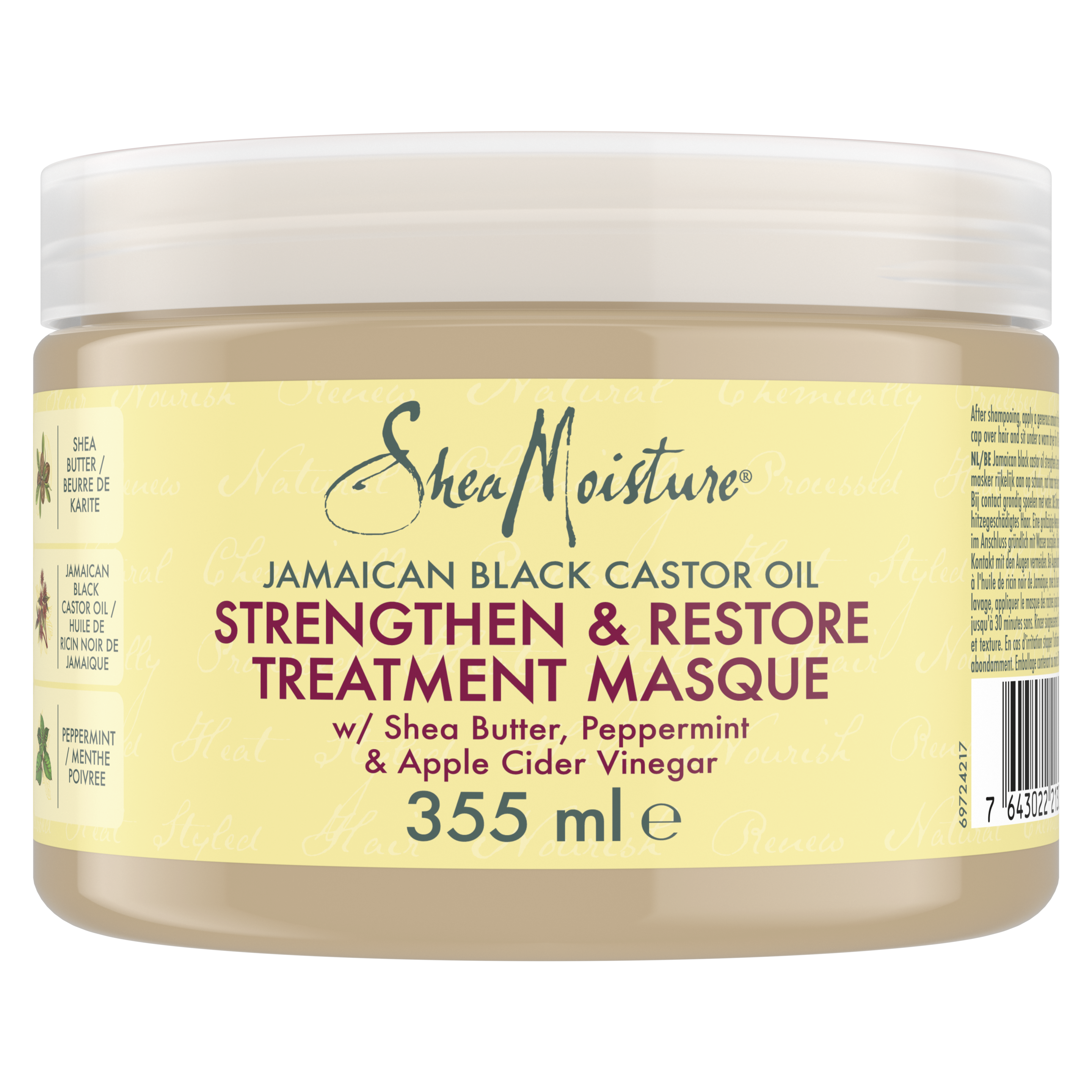
Credit: www.sheamoistureuk.com
Frequently Asked Questions
What Is A Moisture Hair Mask?
A moisture hair mask deeply hydrates dry, damaged hair. It restores softness, shine, and manageability by penetrating hair strands. Regular use improves hair health and prevents breakage.
How Often Should I Use A Moisture Hair Mask?
Use a moisture hair mask once or twice a week. Overuse can weigh hair down. Adjust frequency based on hair dryness and damage level.
Can Moisture Hair Masks Help Frizzy Hair?
Yes, moisture hair masks tame frizz by nourishing hair. They smooth the cuticle and lock in hydration, reducing flyaways and enhancing hair smoothness.
Are Moisture Hair Masks Suitable For All Hair Types?
Most moisture hair masks suit all hair types but choose formulas wisely. Fine hair needs lightweight masks; thick hair benefits from richer ones.
Conclusion
Healthy hair needs regular care and moisture. A moisture hair mask helps keep hair soft and smooth. Using it weekly can reduce dryness and damage. It restores shine and makes hair easier to manage. Choose a mask that fits your hair type.
Enjoy the feeling of fresh, hydrated hair every day. Simple steps lead to better hair health. Try a moisture hair mask and see the difference yourself. Your hair will thank you for the extra care.