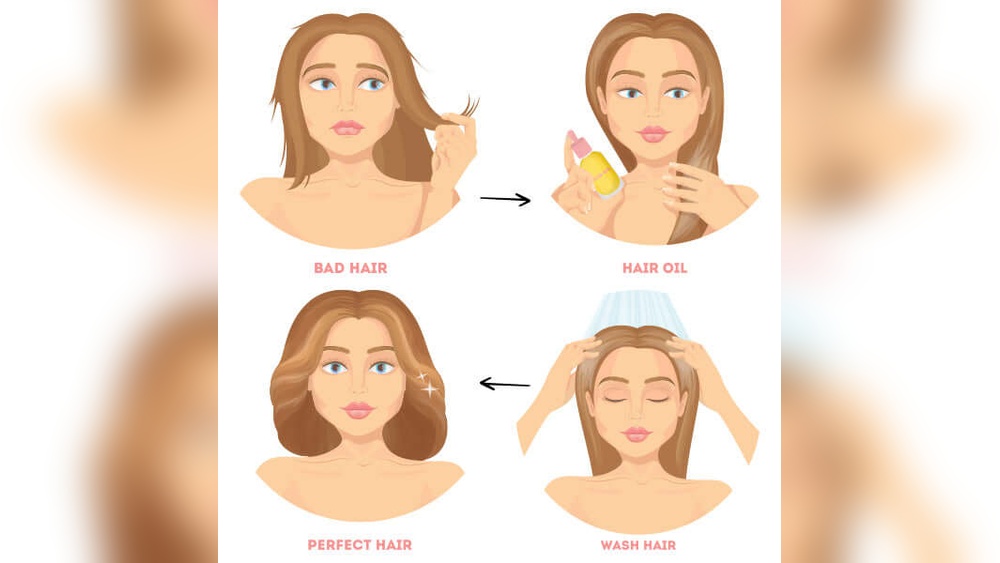
Are you wondering how to make your hair look healthier and shinier without spending a fortune? Using hair oil might be the simple solution you’ve been missing.
But how do you use it the right way to get the best results? You’ll discover easy steps to apply hair oil that can transform your hair’s texture, strength, and shine. Keep reading, and you’ll learn tips that even hair experts swear by—so your hair can feel soft, nourished, and full of life every day.
Benefits Of Hair Oil
Hair oil has been used for centuries to improve hair health. It nourishes the scalp and hair strands deeply. Using hair oil regularly can bring many benefits. It helps keep hair strong, soft, and shiny. Many people find it a simple way to care for their hair at home.
Boosting Hair Growth
Hair oil stimulates blood flow to the scalp. This brings more nutrients to the hair roots. Strong roots mean healthier and faster hair growth. Oils like castor and coconut are known to boost growth. Massaging oil into the scalp also reduces hair fall. It creates a good environment for new hair to grow.
Preventing Hair Damage
Hair oil forms a protective layer on hair strands. This layer guards against heat and pollution. It reduces breakage and split ends. Oils help repair damaged hair by filling gaps in the strands. Regular oiling keeps hair strong and less prone to damage. It also soothes a dry, itchy scalp.
Enhancing Shine And Softness
Hair oil adds a natural shine to dull hair. It smooths the hair cuticle, making hair soft to touch. Oiled hair looks healthier and more vibrant. Oils like argan and almond are great for shine. Soft hair is easier to style and less tangled. Using oil regularly improves hair texture over time.
Choosing The Right Hair Oil
Choosing the right hair oil matters for healthy hair. Different hair types need different oils. The right oil can make hair soft, shiny, and strong. The wrong oil might cause greasiness or dryness. Learn which oils suit your hair type to get the best results.
Oils For Dry Hair
Dry hair needs oils that add deep moisture. Coconut oil and olive oil work well. They penetrate the hair shaft and reduce dryness. Argan oil is light and hydrates without heaviness. These oils help repair damage and stop hair breakage.
Oils For Oily Hair
Oily hair needs light oils that do not clog pores. Jojoba oil is close to the scalp’s natural oil. It balances oil production and cleans the scalp. Grapeseed oil is also light and non-greasy. These oils keep hair fresh and less oily.
Oils For Normal Hair
Normal hair can use a variety of oils. Almond oil nourishes and adds shine. Avocado oil strengthens hair without weighing it down. These oils maintain hair health and protect from damage. Use them regularly for smooth, soft hair.
Natural Vs. Synthetic Oils
Natural oils come from plants and seeds. They contain vitamins and fatty acids. Synthetic oils are made in labs and often lack nutrients. Natural oils nourish hair deeply and improve scalp health. Choose natural oils for better hair care and fewer side effects.
Preparing Your Hair For Oil Application
Preparing your hair before applying oil makes a big difference. It helps the oil reach every strand and your scalp. Clean, detangled hair allows the oil to work better. This step also prevents tangles and uneven oil distribution. Follow simple steps to get your hair ready for oiling.
Detangling And Sectioning
Start by gently detangling your hair with a wide-tooth comb. This removes knots and avoids hair breakage. Work from the ends to the roots for less damage. After detangling, divide your hair into sections. Sectioning helps apply oil evenly. Small sections ensure the oil reaches your scalp and hair strands.
Scalp Cleansing Tips
Clean scalp absorbs oil better. Use a mild shampoo to wash your scalp and hair. Avoid heavy conditioners before oiling. They can create a barrier on the scalp. After washing, dry your hair slightly. Oiling works best on damp hair. It helps the oil penetrate deeply and nourish your scalp.
Techniques For Applying Hair Oil
Applying hair oil properly boosts its benefits. Using the right techniques helps nourish hair deeply. It improves scalp health and makes hair soft and shiny. Simple steps can make a big difference.
Scalp Massage Methods
Start with a small amount of oil. Warm it between your palms. Use your fingertips to gently massage the scalp. Move in small circles to increase blood flow. This helps the oil reach hair roots. Massaging relaxes the scalp and reduces tension.
Applying To Hair Lengths And Ends
After the scalp, spread oil along hair strands. Focus on the ends, where hair is driest. Use your fingers or a wide-tooth comb to distribute oil evenly. Avoid applying too much oil near roots to prevent greasiness. This technique keeps hair smooth and prevents split ends.
Using Heat For Better Absorption
Heat opens hair cuticles, allowing oil to penetrate deeply. Use a warm towel or a shower cap after oiling. Leave it on for 20 to 30 minutes. Heat improves oil absorption and hair softness. This simple step enhances the overall effect of hair oil.
How Often To Oil Your Hair
Knowing how often to oil your hair is key to healthy locks. Oiling too much or too little can affect your hair’s shine and strength. Finding the right balance helps your scalp stay nourished without feeling greasy. The best frequency depends on your hair type and lifestyle.
Daily Vs. Weekly Application
Oiling hair daily suits some people but not all. Daily oiling can keep hair soft and hydrated. It helps reduce dryness and scalp irritation. Yet, for others, daily oiling may cause buildup and heaviness. Weekly oiling is gentler and works well for most hair types. It gives enough moisture without overloading the scalp. Choose daily oiling if your hair feels very dry. Pick weekly if your hair is oily or fine.
Adjusting Frequency By Hair Type
Thick, curly hair often needs more oil to stay smooth. Oiling two to three times a week works best here. Fine or straight hair gets oily faster. Limit oiling to once a week or less. Dry scalp benefits from frequent oiling. Oily scalp needs less oil to avoid greasiness. Listen to your hair’s needs and adjust the routine. Notice how your scalp and strands feel after oiling.

Credit: www.amazon.com
Hair Oil Mistakes To Avoid
Using hair oil can improve your hair’s health and shine. Yet, many make mistakes that reduce its benefits. Avoiding these common errors helps your hair look its best.
Overusing Oil
Applying too much oil weighs your hair down. It can make hair look greasy and dirty fast. Use just a small amount, especially on fine hair. Focus on the ends, not the roots.
Skipping Proper Washing
Not washing oil out properly causes buildup. This clogs hair follicles and irritates the scalp. Use a gentle shampoo to remove all oil. Wash regularly to keep hair clean and healthy.
Using Too Much Heat
Heat tools can damage hair already treated with oil. High heat breaks down the oil’s protective layer. Use low heat or air dry after oiling. This keeps hair smooth without harm.
Diy Hair Oil Recipes
Making your own hair oil at home is simple and fun. You can control what goes into it. This way, your hair gets natural care without chemicals. DIY hair oil recipes are good for all hair types. You can mix oils that suit your hair needs. Let’s explore two easy methods to create your own hair oil.
Herbal Infused Oils
Herbal infused oils use dried herbs and a base oil. Common base oils are coconut, olive, or almond oil. Choose herbs like rosemary, hibiscus, or fenugreek. These herbs help nourish hair and scalp. To make, warm the base oil gently. Add herbs and soak for 1-2 weeks. Strain the oil and store it in a bottle. Use this oil to strengthen and soften hair.
Essential Oil Blends
Essential oils are strong and need a carrier oil. Use oils like jojoba or grapeseed as a base. Add a few drops of essential oils like lavender or peppermint. Lavender soothes scalp and promotes growth. Peppermint refreshes and helps with dandruff. Mix 10-15 drops of essential oil per 100 ml carrier oil. Shake well before each use. This blend gives your hair a fresh scent and care.

Credit: www.cocoandeve.com
Incorporating Hair Oil Into Your Routine
Incorporating hair oil into your routine can improve your hair’s health and shine. Hair oil helps protect, nourish, and repair your hair. Using it at the right time makes a big difference. Let’s explore simple ways to add hair oil to your daily and weekly care.
Night Treatments
Applying hair oil at night gives your hair time to absorb nutrients deeply. Use a few drops and massage gently into your scalp and hair. Cover your hair with a silk scarf or a soft towel. This prevents oil stains on your pillow. Wake up with softer, smoother hair ready for the day.
Pre-shampoo Care
Use hair oil before washing to protect your hair from harsh shampoo. Apply oil on dry hair and leave it for 20 to 30 minutes. The oil forms a barrier that stops shampoo from stripping natural oils. This keeps hair hydrated and reduces breakage during washing.
Post-wash Nourishment
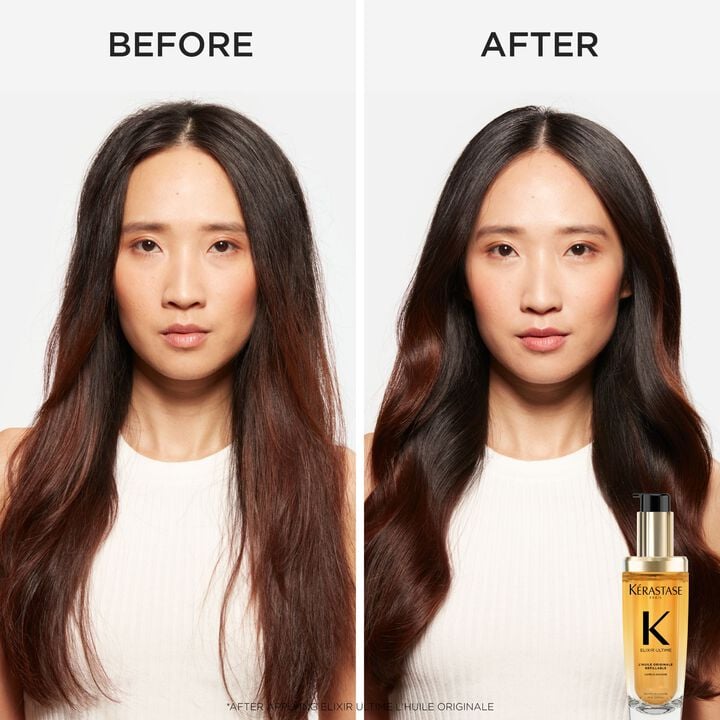
After washing, apply a small amount of hair oil to damp hair. Focus on the ends to stop dryness and split ends. The oil locks in moisture and adds a healthy shine. Avoid the scalp to prevent a greasy look. This step makes your hair smooth and easy to style.
Credit: www.kerastase-usa.com
Frequently Asked Questions
How Often Should I Apply Hair Oil For Best Results?
Apply hair oil 2-3 times a week for healthy hair. Regular use nourishes scalp and strengthens strands. Avoid daily application to prevent greasy buildup and clogged pores.
When Is The Best Time To Use Hair Oil?
Use hair oil at night before bed or 1 hour before washing. Nighttime allows deep absorption, improving scalp health and hair texture. Pre-wash oiling protects hair from shampoo stripping natural oils.
Can Hair Oil Help With Hair Growth?
Yes, hair oil can stimulate hair growth by nourishing follicles. Oils improve blood circulation and reduce scalp dryness, promoting stronger, thicker hair. Consistent use is key for visible results over time.
Should I Apply Hair Oil On Wet Or Dry Hair?
Apply hair oil on dry or slightly damp hair for better absorption. Oiling dry hair prevents excess water dilution, enhancing oil effectiveness. Light dampness helps seal moisture when combined with oil.
Conclusion
Using hair oil regularly can improve your hair’s health and shine. It helps reduce dryness and split ends. Apply the oil gently and avoid overuse for best results. Choose the right oil that suits your hair type. Enjoy softer, smoother hair with simple care steps.
Small changes in your routine can make a big difference. Keep your hair clean and nourished for lasting beauty. Start today and feel the natural benefits of hair oil.