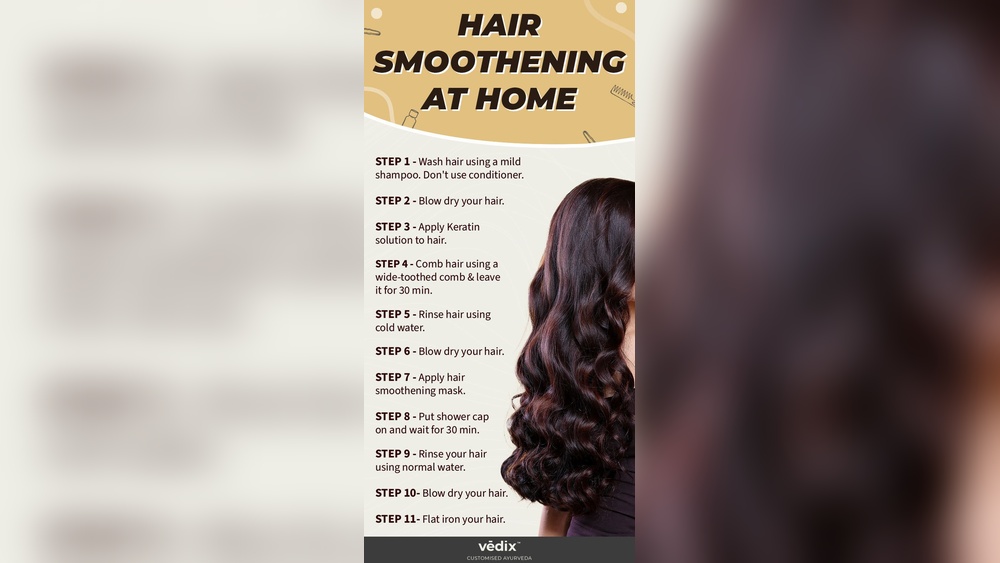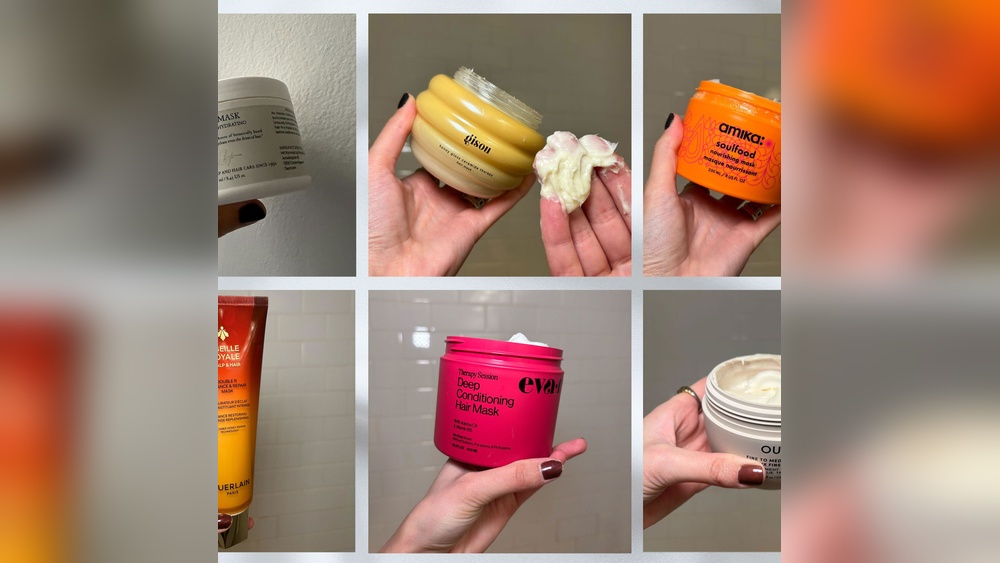
Is your hair feeling dry, brittle, or damaged? You’re not alone, and the good news is there’s a simple solution that can bring your hair back to life.
The best hair mask for dry and damaged hair can deeply nourish and repair your strands, making them soft, shiny, and healthy again. Imagine running your fingers through silky, smooth hair every day—sounds amazing, right? Keep reading to discover which hair masks work best for your hair type and how to use them for maximum results.
Your hair deserves this kind of care, and you’re just one step away from transforming it.

Credit: newcobeauty.com
Causes Of Dry And Damaged Hair
Dry and damaged hair results from many causes. Understanding these causes helps in choosing the best hair mask. Each factor weakens hair differently and needs special care.
Environmental Factors
Sun exposure dries hair by removing natural oils. Wind and pollution also harm hair strands. Cold weather causes dryness and brittleness. These conditions strip moisture, making hair fragile.
Heat Styling Damage
Using flat irons and curling tools often heats hair. High temperatures break down hair proteins. This damage leads to split ends and rough texture. Frequent heat styling leaves hair dry and weak.
Chemical Treatments
Hair dyes and bleaches change hair structure. Perms and relaxers use strong chemicals. These treatments strip away natural oils and proteins. Hair becomes brittle and prone to breakage.
Lack Of Moisture
Not hydrating hair causes dryness from inside out. Skipping conditioner reduces hair’s moisture retention. Dry hair loses shine and smoothness quickly. Moisture is key to soft and healthy hair.
Key Ingredients To Look For
Choosing the right hair mask depends on its ingredients. The best masks contain elements that heal, hydrate, and protect dry and damaged hair. Knowing these key ingredients helps you pick a product that brings back softness and shine. Focus on natural oils, proteins, humectants, and vitamins for the best results.
Natural Oils
Natural oils nourish hair deeply. They seal moisture and reduce breakage. Oils like argan, coconut, and jojoba are common in hair masks. They soften strands and add shine. These oils also protect hair from heat and pollution.
Proteins And Keratin
Proteins strengthen damaged hair. Keratin is a key protein that repairs hair structure. Masks with keratin or hydrolyzed proteins fill gaps in the hair shaft. This makes hair stronger and less prone to split ends. Protein treatments restore elasticity and smoothness.
Humectants And Moisturizers
Humectants draw water into hair strands. Ingredients like glycerin and aloe vera keep hair hydrated. Moisturizers lock in this moisture to prevent dryness. Together, they keep hair soft and flexible for longer. These ingredients help fight frizz and dullness.
Vitamins And Antioxidants
Vitamins nourish hair from root to tip. Vitamin E and B5 improve scalp health and hair growth. Antioxidants protect hair from damage caused by free radicals. These nutrients support stronger and healthier hair over time. They also add natural glow and vitality.
Top Hair Masks For Repair
Dry and damaged hair needs extra care to restore its health. Hair masks can help repair and nourish hair deeply. Choosing the right mask depends on your hair’s specific needs. Here are some of the best types of hair masks for repair.
Deep Conditioning Masks
Deep conditioning masks add moisture and softness to dry hair. They work by penetrating the hair shaft. This helps fix rough, brittle strands. Use these masks once or twice a week. They smooth the cuticle and reduce frizz effectively.
Protein-rich Treatments
Protein-rich treatments rebuild damaged hair structure. Hair contains keratin, a type of protein. These masks replace lost protein and strengthen weak hair. They prevent breakage and split ends. Use protein treatments carefully to avoid stiffness.
Hydrating Masks
Hydrating masks focus on restoring moisture balance. They are ideal for dry, thirsty hair. Ingredients like aloe vera and glycerin attract water. These masks leave hair soft and shiny. Use regularly to keep hair smooth and manageable.
Diy Hair Masks
DIY hair masks use natural ingredients from your kitchen. Common items include honey, avocado, and olive oil. These ingredients nourish and repair gently. DIY masks are affordable and easy to make. Use fresh ingredients for the best results.
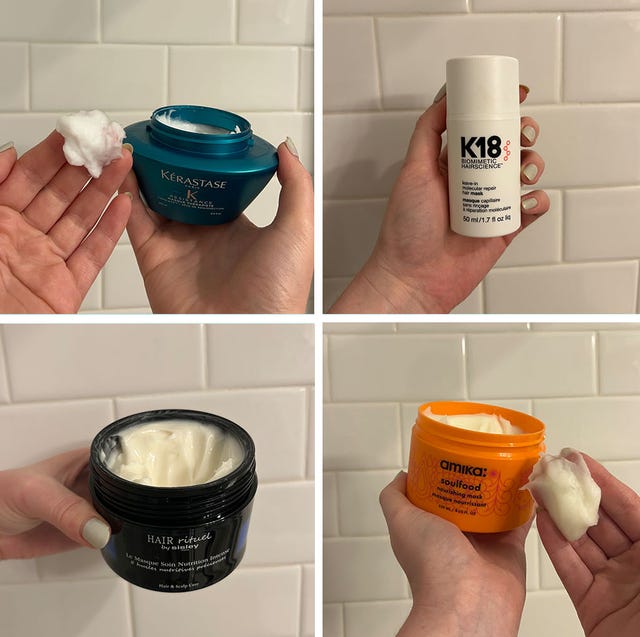
Credit: www.prevention.com
How To Use Hair Masks Effectively
Using hair masks properly makes a big difference for dry and damaged hair. The right method helps your hair absorb nutrients better. This boosts moisture and repair. Below are simple tips to get the best results from your hair mask.
Application Tips
Start with clean, damp hair. Apply the mask evenly from roots to ends. Use a wide-tooth comb to spread the product. Cover your hair with a shower cap or warm towel. This keeps the mask warm and active. Leave it on for the time recommended on the label. Rinse with cool water to close the hair cuticles.
Frequency Of Use
Use a hair mask once or twice a week. Overuse can weigh hair down. If your hair is very dry, use it twice weekly. For mild dryness, once a week is enough. Adjust frequency based on your hair’s response and condition.
Combining With Other Hair Care Products
Use shampoo and conditioner suited for dry hair. Apply the mask after shampooing and before conditioning. This helps restore moisture and strengthens hair. Avoid applying heavy styling products before the mask. They block absorption. Keep your routine simple to see better results.
Common Mistakes To Avoid
Using a hair mask can improve dry and damaged hair. Yet, some common mistakes can stop you from getting the best results. Avoid these errors to keep your hair healthy and strong.
Overusing Hair Masks
Applying a hair mask too often can weigh hair down. It may cause buildup and make hair greasy. Use a hair mask once or twice a week. Let your hair rest between treatments.
Ignoring Scalp Care
Many focus only on hair strands and forget the scalp. A healthy scalp helps hair grow strong. Gently massage your scalp during mask application. Avoid skipping this step for better results.
Using Harsh Ingredients
Some hair masks contain chemicals that dry hair further. Avoid products with sulfates, parabens, or alcohol. Choose masks with natural oils and gentle ingredients. They nourish hair without damage.

Credit: www.youtube.com
Maintaining Healthy Hair Post-treatment
Maintaining healthy hair after using a hair mask is very important. A good hair mask can repair dry and damaged hair. Still, caring for your hair post-treatment keeps it strong and shiny longer. Healthy hair needs gentle care and smart habits every day.
Gentle Styling Practices
Use soft brushes with wide teeth to avoid hair breakage. Avoid tight hairstyles that pull on your scalp and strands. Let your hair air dry instead of using heat tools often. When you use heat, keep it on low settings. These small steps protect hair from damage after treatment.
Protective Hair Care Habits
Cover your hair with a scarf or hat in harsh weather. Use a silk or satin pillowcase to reduce friction while sleeping. Wash hair with mild shampoo that does not strip natural oils. Avoid over-washing as it can dry out hair. These habits keep your hair moisturized and healthy.
Regular Trims And Maintenance
Trim your hair every 6-8 weeks to remove split ends. Healthy ends prevent damage from spreading up the hair shaft. Regular trims help hair look neat and fresh. Maintaining hair with trims supports growth and strength after treatments.
Frequently Asked Questions
What Ingredients Make A Hair Mask Ideal For Dry Hair?
Hydrating ingredients like argan oil, shea butter, and coconut oil nourish dry hair deeply. Proteins and vitamins help repair damaged strands and restore moisture balance effectively.
How Often Should I Use A Hair Mask For Damaged Hair?
Use a hair mask once or twice a week to restore moisture and repair damage. Overuse can weigh hair down, while regular use improves texture and strength gradually.
Can Hair Masks Repair Severely Damaged Hair Completely?
Hair masks improve hair texture and hydration but can’t fully repair severe damage. Consistent use strengthens strands and reduces breakage, but professional treatments may be necessary for extreme cases.
How Long Should I Leave A Hair Mask On For Best Results?
Leave the hair mask on for 15 to 30 minutes to allow deep penetration. This time frame ensures maximum hydration and repair without over-conditioning your hair.
Conclusion
Choosing the right hair mask helps restore dry, damaged hair effectively. Consistent care brings back softness and shine. Healthy hair feels stronger and looks better. Treat your hair with gentle, nourishing ingredients. Patience matters; results show with regular use. Enjoy the confidence of smooth, well-moisturized hair every day.
Simple steps lead to healthier, happier hair. Your hair deserves the best care you can give.