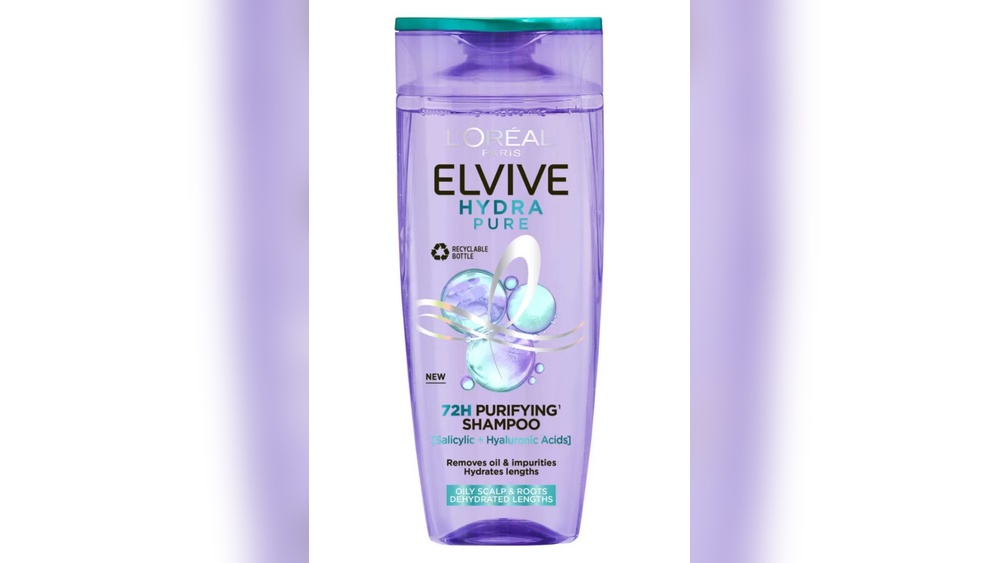
Is your hair constantly feeling greasy no matter how often you wash it? If you struggle with oily hair, you know how frustrating it can be to find a shampoo that truly works.
You want something that cleans deeply without drying out your scalp or making your hair greasy again within hours. The right shampoo can change everything—giving you fresh, clean hair that feels light and looks healthy all day long. Keep reading to discover the best shampoos designed specifically for oily hair, so you can finally say goodbye to that unwanted shine and hello to hair that feels just right.
Credit: www.goodhousekeeping.com
Causes Of Oily Hair
Oily hair can feel heavy and look greasy soon after washing. Understanding the causes helps manage this issue better. Many factors lead to oily hair. Some are natural, others linked to habits or environment.
Excess Sebum Production
Sebum is an oily substance made by glands in the scalp. Its job is to keep hair and skin moisturized. Sometimes, these glands produce too much sebum. This extra oil spreads along the hair strands. It makes hair look shiny and greasy quickly.
Hormonal Influences
Hormones can change how much oil the scalp produces. Teenagers often notice oily hair during puberty. Women may see changes during menstrual cycles or pregnancy. Hormonal shifts increase sebum production, leading to oily hair.
Diet And Lifestyle Factors
Eating a lot of greasy or sugary foods can affect scalp oil. Stress and lack of sleep may also increase oil production. Not washing hair enough lets oil build up. Overwashing can make glands produce more oil too.
Environmental Effects
Pollution and humidity can worsen oily hair. Dirt and dust stick to oily scalp, adding to the problem. Hot weather makes the scalp sweat more. This mix of sweat and oil makes hair look greasy faster.
Key Ingredients To Look For
Choosing the right shampoo for oily hair means knowing the key ingredients. These ingredients help control oil and keep your scalp fresh. They clean without drying out your hair. Below are important ingredients that work well for oily hair.
Clarifying Agents
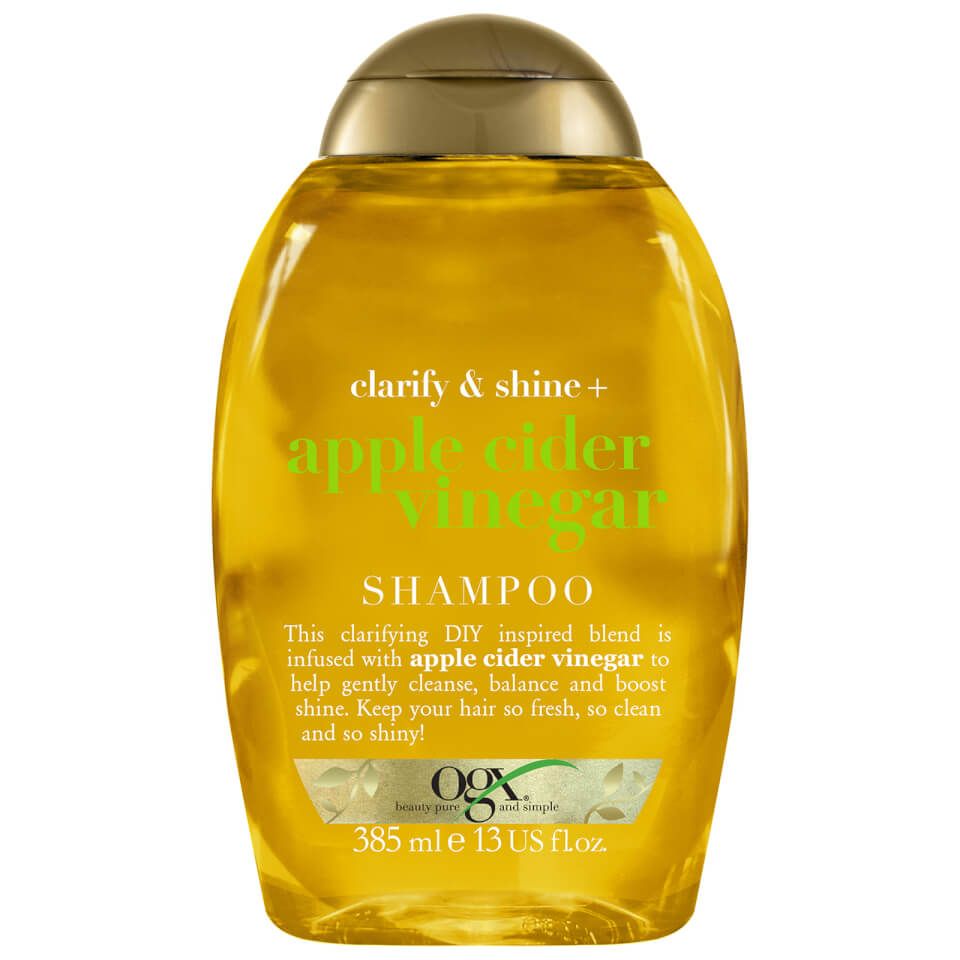
Clarifying agents remove buildup from hair and scalp. They clean away dirt, oil, and styling products. Ingredients like charcoal, clay, and apple cider vinegar act as clarifiers. These agents help hair feel lighter and less greasy.
Oil-absorbing Components
Oil-absorbing ingredients soak up excess scalp oil. Common examples include kaolin clay and silica. These components reduce shine and prevent oily roots. They keep hair looking fresh longer between washes.
Balancing Botanicals
Botanical extracts calm the scalp and balance oil production. Tea tree oil, rosemary, and aloe vera are popular options. They soothe irritation and prevent overactive oil glands. These botanicals support a healthy scalp environment.
Gentle Cleansers
Gentle cleansers remove oil without stripping natural moisture. Sulfate-free surfactants clean softly and reduce dryness. These cleansers protect hair strength and shine. Ideal shampoos avoid harsh detergents that cause scalp irritation.
Top Shampoos For Oily Hair
Oily hair needs special care to stay fresh and clean. Choosing the right shampoo helps control oil without drying the scalp. The right product balances oil and keeps hair healthy.
Here are some of the best shampoos designed for oily hair. Each option suits different needs and budgets.
Best Clarifying Shampoo
Clarifying shampoos remove buildup and excess oil effectively. They clean deep and refresh the scalp. A good clarifying shampoo leaves hair light and soft. Use it once or twice a week for best results.
Best Natural Shampoo
Natural shampoos use plant-based ingredients to control oil. They avoid harsh chemicals that can irritate the scalp. These shampoos keep hair healthy and shiny. Ideal for those who prefer gentle and eco-friendly products.
Best Budget-friendly Option
Some shampoos offer great oil control without high prices. Budget-friendly options clean hair well and prevent greasiness. These shampoos provide value and good results. Perfect for daily use without spending much.
Best For Sensitive Scalps
Sensitive scalps need mild shampoos that calm irritation. These shampoos remove oil without causing itchiness or redness. They contain soothing ingredients to protect the skin. Great for people with delicate scalp conditions.
Credit: www.headandshoulders.co.in
Tips To Manage Oily Hair
Oily hair can feel heavy and look greasy fast. Managing it needs simple care and smart habits. These tips help control oil without hurting your hair’s health. Follow easy steps to keep your scalp clean and fresh longer.
Washing Frequency
Washing your hair often helps remove excess oil. But washing too much can dry your scalp. Aim to wash your hair every two days. Use lukewarm water, not hot, to avoid irritation. Find a balance that keeps your hair clean but not dry.
Proper Shampooing Techniques
Apply shampoo only to your scalp, not the ends. Gently massage with your fingertips to clean well. Rinse thoroughly to remove all shampoo traces. Avoid scrubbing too hard; it can cause more oil production. Use a lightweight shampoo made for oily hair.
Avoiding Heavy Hair Products
Heavy creams and oils make oily hair worse. Choose light, water-based styling products instead. Avoid silicone-based serums and thick conditioners on your scalp. Apply conditioner only to the hair tips. This stops buildup and keeps hair light.
Diet And Hydration
Your diet impacts oil production on your scalp. Eat more fruits, vegetables, and whole grains. Reduce fried and sugary foods to help balance oil. Drink plenty of water every day to keep your scalp hydrated. Proper hydration supports healthy hair and scalp.
When To See A Dermatologist
Oily hair can often be managed with the right shampoo and care. Sometimes, oily scalp issues need professional help. Knowing when to see a dermatologist can protect your scalp and hair health. Early action can prevent bigger problems.
Persistent Oiliness
Oily scalp that does not improve after weeks of good care needs a doctor’s check. Persistent oiliness may point to a skin condition or hormonal imbalance. A dermatologist can find the root cause and suggest treatments beyond shampoos.
Scalp Irritation
Itching, redness, or flaking on the scalp can signal irritation or infection. If these signs last despite using gentle shampoos, seeing a dermatologist is wise. They can diagnose issues like dandruff, eczema, or psoriasis and offer suitable remedies.
Hair Thinning Concerns
Excess oil can sometimes lead to hair thinning or loss. Noticeable thinning or bald patches need medical advice quickly. Dermatologists can identify underlying causes and provide treatments to protect your hair and scalp.

Credit: www.healthline.com
Frequently Asked Questions
What Ingredients Should I Look For In Oily Hair Shampoo?
Look for ingredients like tea tree oil, salicylic acid, and charcoal. These help control excess oil and cleanse scalp deeply without drying hair.
How Often Should I Wash Oily Hair With Shampoo?
Washing oily hair every other day is ideal. Overwashing can strip natural oils, causing the scalp to produce more oil.
Can Oily Hair Shampoos Help With Scalp Acne?
Yes, shampoos with salicylic acid or tea tree oil can reduce scalp acne by unclogging pores and controlling oil production.
Are Sulfate-free Shampoos Good For Oily Hair?
Sulfate-free shampoos are gentler but may not remove oil effectively. Choose formulas designed specifically for oily hair to balance cleansing and care.
Conclusion
Choosing the best shampoo for oily hair helps keep your scalp fresh. It reduces grease and makes hair feel light. Regular use of a good shampoo controls oil build-up. Remember to wash hair gently, not too often. This keeps your hair healthy and clean.
Find a shampoo that suits your hair type. Your hair will look better and feel soft. Healthy hair starts with the right care every day. Simple steps bring great results. Keep your hair happy and shine naturally.