
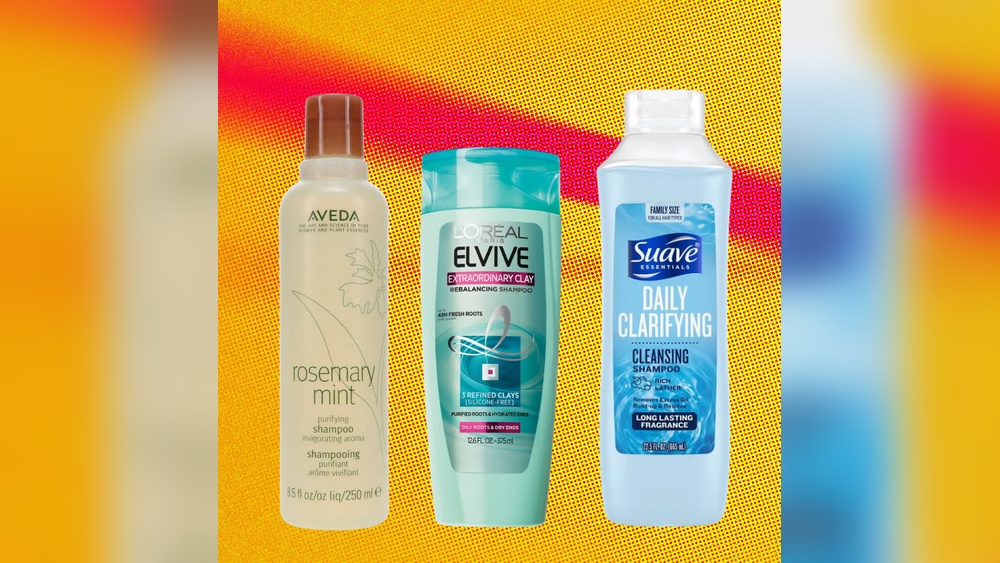
Are you struggling with an oily scalp but dry, brittle ends? Finding the right shampoo can feel like an impossible task.
You want a product that cleans away excess oil without leaving your ends feeling even drier. Luckily, the best shampoo for oily scalp and dry ends does exist—and it can transform your hair care routine. Keep reading to discover how to balance your hair’s unique needs and say goodbye to frustration for good.
Your hair deserves it.
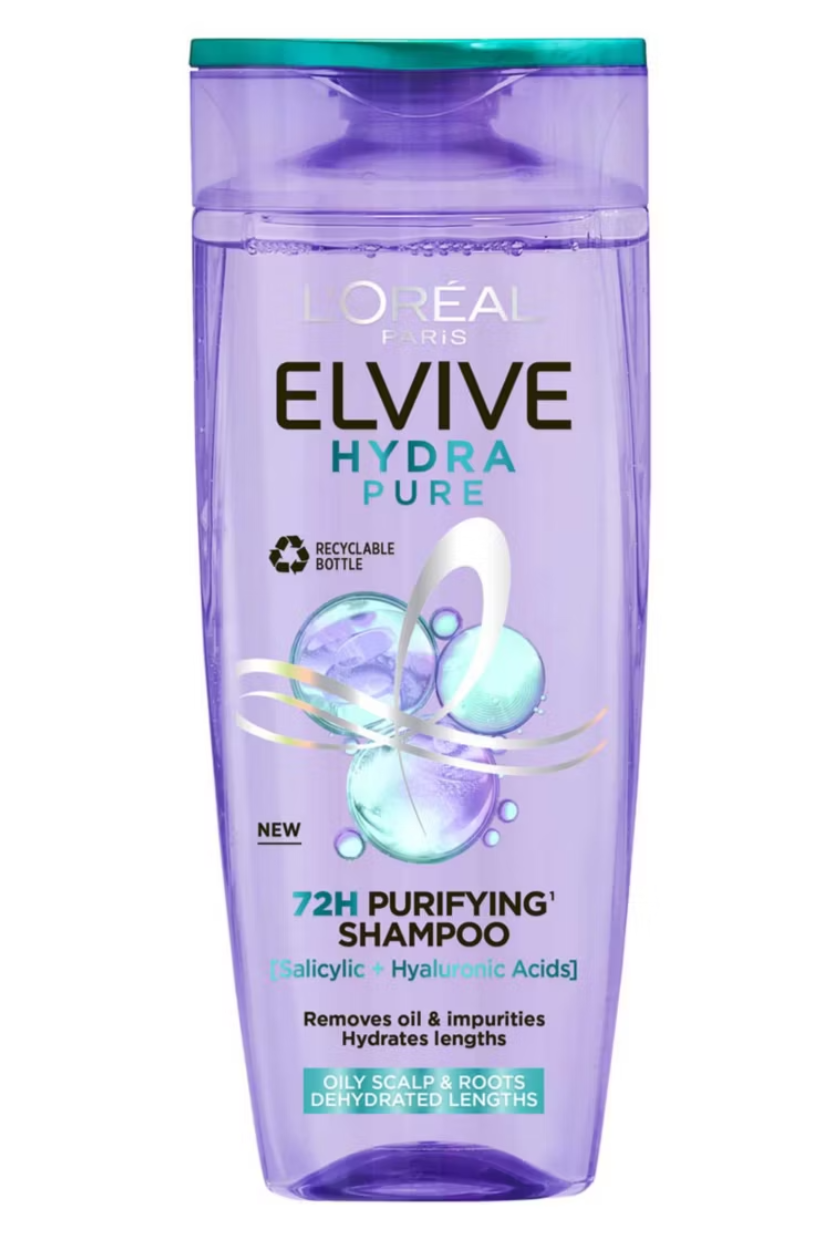
Credit: www.whowhatwear.com
Causes Of Oily Scalp And Dry Ends
Oily scalp and dry ends can feel like a tough hair problem. The scalp makes too much oil, but the hair tips stay dry. Understanding the causes helps find the right shampoo and care. Several reasons explain why this happens. Some come from inside the body, and others from outside.
Hormonal Factors
Hormones control oil production in the scalp. When hormones change, oil levels shift. Teens often have oily scalps due to puberty. Women may notice changes during pregnancy or periods. Hormonal imbalance can increase scalp oil and dry hair ends.
Hair Care Habits
Washing hair too often removes natural oils, making ends dry. Using harsh shampoos can irritate the scalp and cause oiliness. Not conditioning the hair tips leads to dryness. Brushing hair roughly breaks ends and worsens dryness.
Environmental Influences
Pollution and dirt can build up on the scalp. This buildup causes the scalp to produce more oil. Sun exposure dries out the hair tips. Cold weather reduces moisture, leaving ends brittle. Humid weather makes the scalp oily and sticky.
Key Ingredients To Look For
Choosing the right shampoo for oily scalp and dry ends means knowing the key ingredients. These ingredients help clean your scalp without drying your ends. They balance oil and moisture for healthy hair. Here are the main types of ingredients to check in your shampoo.
Clarifying Agents
Clarifying agents remove excess oil and dirt from your scalp. They help stop buildup that makes hair look greasy fast. Common agents include salicylic acid and tea tree oil. These ingredients clean deeply but do not strip natural oils completely. They keep your scalp fresh and clear.
Moisturizing Components
Moisturizing components hydrate dry ends without adding weight. Look for ingredients like glycerin, aloe vera, and shea butter. They soften and nourish hair tips. These ingredients prevent dryness and split ends. They keep your hair smooth and healthy.
Balancing Extracts
Balancing extracts regulate oil production and soothe the scalp. Ingredients such as chamomile, rosemary, and witch hazel work well. They calm irritation and reduce scalp oiliness. These extracts support a balanced scalp environment. Your hair feels clean but not dry.
How To Choose The Right Shampoo
Choosing the right shampoo for oily scalp and dry ends can be tricky. The goal is to balance oil control with moisture. A good shampoo cleans well without drying out the ends. Knowing what to look for helps find the best product for your hair.
Reading Labels
Check shampoo labels carefully. Look for terms like “balancing,” “moisturizing,” or “for oily scalp and dry ends.”
Avoid shampoos that say “deep cleansing” or “clarifying” if your ends are dry. These can strip moisture from hair.
Ingredients matter. Natural oils, aloe vera, and glycerin help hydrate dry ends. Tea tree oil and salicylic acid help control scalp oil.
Considering Hair Type
Know your hair type before choosing shampoo. Fine hair needs lightweight formulas. Thick hair may need richer moisture.
Oily scalp means shampoo should remove excess oil without harshness. Dry ends need gentle, hydrating ingredients.
Some shampoos target both by using gentle cleansers and added moisturizers. Pick one designed for mixed hair types.
Avoiding Harmful Chemicals
Stay away from sulfates. These cause scalp dryness and strip natural oils. They worsen dry ends.
Avoid parabens and synthetic fragrances. These can irritate scalp and damage hair over time.
Choose shampoos with gentle, natural ingredients. These keep hair healthy and scalp comfortable.

Credit: www.healthline.com
Top Shampoos For Oily Scalp And Dry Ends
Finding the right shampoo for oily scalp and dry ends is a challenge. It requires a balance that cleans deeply without drying out the tips. Many shampoos focus on either oily scalp or dry ends, but not both. The best shampoos gently remove excess oil while nourishing the ends. Here are some top choices that work well for this hair type.
Budget-friendly Options
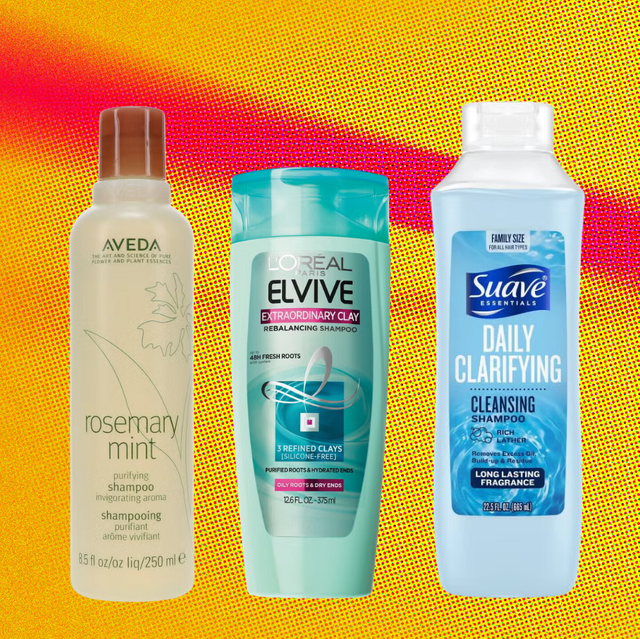
Affordable shampoos can be effective for oily scalp and dry ends. Look for formulas with gentle cleansing agents. Ingredients like tea tree oil help reduce oiliness. Shampoos with aloe vera or panthenol soothe and hydrate dry ends. These options are easy to find in most stores. They deliver good results without breaking the bank.
Luxury Picks
High-end shampoos often combine advanced ingredients for scalp and hair health. They may include botanical extracts and vitamins. Luxury formulas usually have better scents and textures. These shampoos deeply clean the scalp and repair dry ends. They also add shine and softness. Using luxury shampoos can turn hair care into a pampering experience.
Natural And Organic Choices
Natural shampoos suit sensitive scalps and dry ends well. Organic ingredients like chamomile and jojoba oil nourish hair gently. These shampoos avoid harsh chemicals that strip natural oils. They support scalp balance and hydration. Natural shampoos often promote healthier hair over time. Perfect for those who prefer simple, clean beauty products.
Tips For Managing Oily Scalp And Dry Ends
Managing an oily scalp with dry ends needs special care. The scalp produces extra oil while the ends lack moisture. This balance can be tricky. Using the right methods helps keep hair healthy and fresh. Small changes in habits improve hair texture and shine.
Here are key tips to handle oily scalp and dry ends effectively.
Washing Frequency
Wash hair often enough to remove oil but not dry ends. Two to three times a week suits many people. Use a shampoo made for oily scalp. Avoid harsh shampoos that strip natural oils. Rinse hair well to remove all product residue.
Conditioning Techniques
Apply conditioner only to the hair ends. Keep it away from the scalp. Choose a lightweight, hydrating conditioner. Leave it on for a few minutes before rinsing. This locks moisture in dry ends without adding oil to the scalp.
Lifestyle Adjustments
Eat a balanced diet rich in vitamins and minerals. Drink plenty of water to stay hydrated. Avoid touching hair often to reduce oil buildup. Use a soft brush to spread natural oils down hair strands. Protect hair from heat and pollution to prevent dryness.
Credit: www.goodhousekeeping.com
Frequently Asked Questions
What Causes Oily Scalp And Dry Ends Together?
Oily scalp results from excess sebum production, while dry ends lack moisture. This combination occurs due to overactive scalp glands and insufficient hydration at hair tips.
How Often Should I Wash Oily Scalp And Dry Ends?
Washing 2-3 times weekly is ideal. It controls scalp oil while preventing dryness and damage to hair ends.
Which Ingredients Help Oily Scalp And Dry Ends?
Look for salicylic acid, tea tree oil, and witch hazel for oil control. Use argan oil or shea butter to nourish dry ends.
Can Conditioner Worsen Oily Scalp But Help Dry Ends?
Yes, applying conditioner only on ends prevents scalp buildup. This method hydrates dry tips without increasing scalp oiliness.
Conclusion
Balancing oily scalp and dry ends needs the right shampoo. Choose one that cleans well but also nourishes your hair. Regular washing helps control oil without drying your ends. Pay attention to ingredients like tea tree oil or gentle moisturizers.
Healthy hair feels soft, light, and fresh every day. Try different shampoos to find what suits you best. Simple care can bring big changes to your hair’s health. Stay patient and consistent with your routine for best results. Your hair will thank you for the extra care.

https://shorturl.fm/iNcVF