Are you tired of dealing with slow hair growth or thinning strands? You’ve probably seen countless hair growth oils promising to make your hair thicker and longer.
But here’s the real question: does hair growth oil really work? Before you spend your money or hope for a miracle, it’s important to understand how these oils affect your hair and scalp. Keep reading, because by the end of this article, you’ll know exactly what to expect—and whether hair growth oil is worth trying for your hair goals.
Credit: labmuffin.com
How Hair Growth Oils Claim To Work
Hair growth oils are popular in hair care routines worldwide. They promise to make hair thicker, stronger, and faster growing. But how do these oils actually work? Understanding their claims helps you decide if these products suit your needs.
Many brands highlight natural ingredients and specific actions that target hair roots. These oils aim to nourish the scalp and improve blood flow. The goal is to create a healthy environment for hair to grow.
Common Ingredients And Their Roles
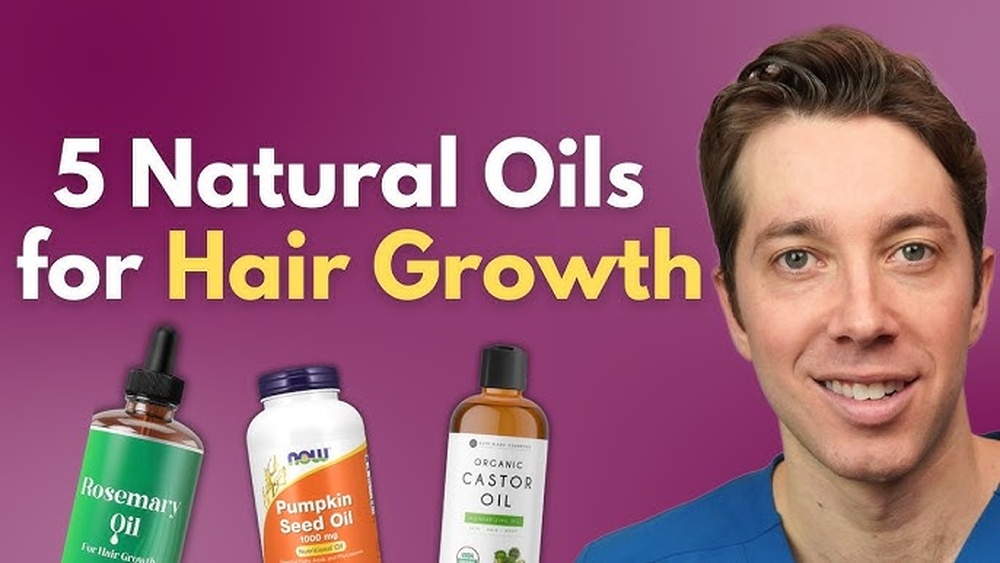
Hair growth oils often include ingredients like castor oil, coconut oil, and rosemary oil. Castor oil is rich in fatty acids. It helps moisturize the scalp and reduce dryness.
Coconut oil protects hair from damage. It can also reduce protein loss, keeping hair strong. Rosemary oil is believed to boost circulation. This may help hair follicles get more nutrients.
Other ingredients like peppermint oil offer a cooling effect. This sensation can stimulate the scalp. Some oils include vitamins such as E and B complex. These vitamins support scalp health and hair strength.
Mechanisms Behind Hair Stimulation
Hair growth oils claim to work by improving blood flow in the scalp. Better circulation means more oxygen and nutrients reach hair follicles. This can help hair grow faster and healthier.
Many oils also soothe inflammation and dryness. A calm scalp reduces hair fall caused by irritation. Oils create a protective layer around hair strands. This layer reduces breakage from friction and environmental damage.
Some ingredients may stimulate hair follicles directly. For example, peppermint oil can cause a tingling feeling. This shows increased blood flow, which might encourage growth. Oils can also balance scalp oils and reduce buildup. A clean scalp supports stronger hair growth over time.
Scientific Evidence On Effectiveness
Scientific evidence helps us understand if hair growth oils really work. Researchers have studied these oils to see their effects on hair health and growth. Results vary, but some studies show positive signs. It is important to look at both supporting and conflicting research.
Studies Supporting Hair Growth Oils
Some studies find hair growth oils useful for improving scalp health. Oils like castor oil and rosemary oil show benefits in certain trials. These oils can reduce inflammation and increase blood flow to hair roots. Better blood flow can help hair follicles grow stronger hair strands.
Research also suggests oils with antioxidants protect hair from damage. Antioxidants stop harmful molecules that break hair. Oils such as coconut and argan contain these protective compounds. Regular use might help reduce hair breakage and loss.
Limitations And Contradictions In Research
Not all studies agree on the benefits of hair growth oils. Some show little or no improvement in hair growth. Results often depend on oil type, method, and study size. Many trials have small groups or short durations.
Other factors like genetics and diet also affect hair growth. Oils alone may not fix serious hair loss issues. More large and long-term studies are needed for clear answers. Until then, results remain mixed and uncertain.
Factors Influencing Hair Growth
Hair growth depends on many factors. Some are natural, while others relate to daily habits. Understanding these factors helps to know how hair growth oils might work. This section explores key elements that affect hair health and growth.
Genetics And Hormones
Genes play a big role in hair growth patterns. They decide hair thickness, color, and growth speed. Hormones also affect hair health. For example, changes in hormone levels can cause hair loss or faster growth. Hormonal imbalances may lead to thinning hair. This is common during pregnancy, menopause, or stress. Knowing your genetic and hormonal background is important for hair care.
Diet And Lifestyle Impact
What you eat affects your hair quality. Nutrients like vitamins A, C, D, and E support hair growth. Proteins and iron are also essential. Poor diet can weaken hair and slow growth. Drinking water keeps hair hydrated and healthy. Lifestyle habits matter too. Lack of sleep, stress, and smoking can harm hair. Regular exercise improves blood flow to the scalp. Healthy living helps maintain strong, shiny hair.

Credit: www.wearecentred.com
Popular Hair Growth Oils Reviewed
Many people try hair growth oils to improve hair health and boost growth. Some oils have been used for centuries. They claim to nourish the scalp and strengthen hair strands. Below, popular oils are reviewed for their benefits and possible downsides. This helps you choose what fits your hair needs.
Castor Oil Benefits And Drawbacks
Castor oil is thick and rich in nutrients. It contains ricinoleic acid, which may improve scalp circulation. This can help hair follicles grow stronger. Many users say it makes hair softer and thicker. It also helps reduce dandruff by moisturizing the scalp.
On the downside, castor oil is very sticky and hard to wash out. It might cause irritation for sensitive skin. Use a small amount first to test for allergies. Avoid overuse as it can weigh hair down or cause buildup.
Argan Oil For Scalp Health
Argan oil is lighter and full of vitamin E and fatty acids. It hydrates the scalp and reduces dryness. This creates a healthy environment for hair growth. Argan oil also adds shine and softness to hair strands.
People with oily scalps should use argan oil sparingly. Too much can make hair greasy. It is gentle and less likely to cause irritation. Regular use may improve overall scalp condition and hair texture.
Rosemary Oil’s Role In Hair Growth
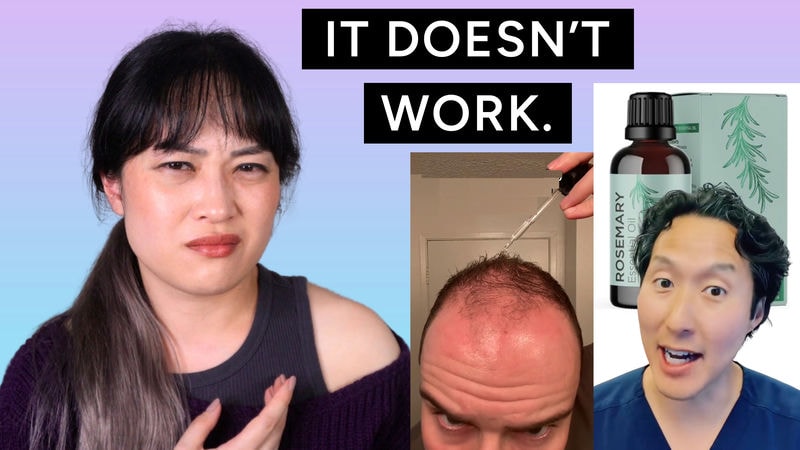
Rosemary oil is popular for its potential to boost hair growth. It improves blood flow to the scalp and may prevent hair loss. Some studies show it works as well as common hair loss treatments.
This oil has a fresh, herbal scent and is easy to mix with other oils. It must be diluted before applying. Pure rosemary oil can be strong and cause irritation. Use a few drops mixed with a carrier oil for best results.
How To Use Hair Growth Oils Effectively
Using hair growth oils the right way can boost their effects on your scalp and hair. Proper use helps the oil reach hair roots and nourishes them deeply. This section explains how to apply oils for best results and how often you should do it.
Application Techniques
Start with clean, dry hair. Take a small amount of oil on your fingers. Gently massage the oil into your scalp. Use circular motions to increase blood flow. Spread the oil evenly from roots to tips. Avoid using too much oil to prevent greasiness. Focus on areas with thinning hair for better impact.
Frequency And Duration
Apply hair growth oil two to three times a week. Leave the oil on your scalp for at least 30 minutes. For deeper nourishment, keep it overnight. Wash your hair with a mild shampoo after use. Consistency is key. Regular use over weeks shows visible improvement. Stop if irritation or discomfort occurs.
Potential Side Effects And Risks
Hair growth oils often promise thicker, fuller hair. Many people try them to improve scalp health and boost hair growth. Yet, these products can have side effects and risks. Understanding these helps you decide if hair growth oil suits you.
Allergic Reactions
Some hair growth oils contain natural ingredients like herbs and oils. These can cause allergic reactions in some people. Symptoms include redness, itching, swelling, or rash on the scalp. Allergies may also cause difficulty breathing or dizziness in rare cases.
Test the oil on a small skin patch before full use. Stop using it if any reaction appears. Consult a doctor if symptoms worsen or do not improve.
Scalp Irritation And Sensitivity
Hair growth oils sometimes cause scalp irritation. Ingredients like fragrances and preservatives can irritate sensitive skin. This leads to dryness, burning, or flakiness on the scalp.
Use oils with gentle, natural ingredients. Avoid applying too much oil or using it daily. Give your scalp time to adjust and heal if irritation occurs.
Alternative Treatments For Hair Growth
Hair growth oils are popular but not the only way to help hair grow. Many people explore other treatments to support healthy hair. These alternatives can offer different benefits and may suit various needs. Understanding these options helps in choosing the best approach for hair care.
Medical Options
Doctors offer treatments that can improve hair growth. Minoxidil is a common medicine applied to the scalp. It helps increase blood flow and stimulate hair follicles. Another option is finasteride, a pill that blocks hormones causing hair loss. Some people try platelet-rich plasma (PRP) therapy. It uses injections from your blood to boost hair growth. These medical options often require a prescription or professional care. They may show results in a few months.
Natural Remedies Beyond Oils
Besides oils, natural methods can support hair health. Massaging the scalp improves blood flow and relaxes the skin. Eating a balanced diet rich in vitamins helps hair grow strong. Vitamins like biotin, vitamin D, and iron are important. Herbal teas made from nettle or green tea may help reduce hair loss. Using gentle shampoos and avoiding heat styling protects hair from damage. These remedies work slowly but are safe and easy to try at home.

Credit: www.youtube.com
Frequently Asked Questions
Does Hair Growth Oil Really Stimulate New Hair Growth?
Hair growth oils nourish the scalp and improve blood circulation. They support hair follicles, promoting healthier and stronger hair growth. However, results vary based on ingredients and individual scalp condition.
How Long Does It Take For Hair Growth Oil To Work?
Typically, visible results appear after 4 to 8 weeks of consistent use. Patience is essential, as hair growth is a gradual process influenced by many factors.
Are Natural Oils Effective For Hair Growth?
Yes, natural oils like castor, coconut, and rosemary contain nutrients that strengthen hair and reduce breakage. They help maintain scalp health, which is crucial for hair growth.
Can Hair Growth Oil Prevent Hair Loss?
Hair growth oils can reduce hair loss by strengthening roots and moisturizing the scalp. However, severe hair loss may need medical treatment alongside oil use.
Conclusion
Hair growth oils can help improve scalp health and hair strength. Results vary from person to person. Consistent use and patience matter a lot. Choose oils with natural ingredients for better safety. Avoid expecting instant miracles or drastic changes. Healthy hair also needs good nutrition and care.
Oils support growth but do not replace other treatments. Trying a few types may show what works best. Remember, healthy hair grows with time and effort. Give your hair the care it deserves every day.