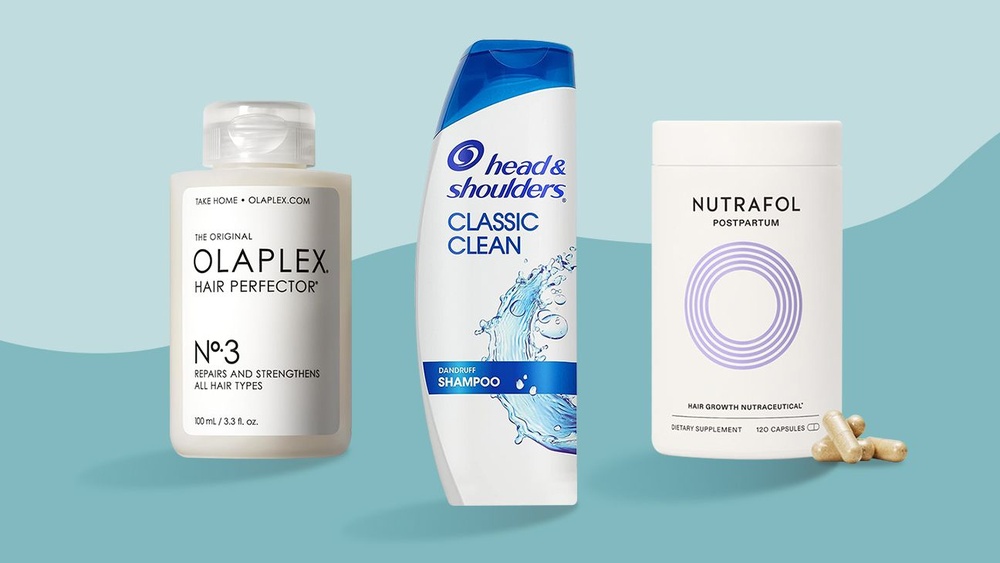
Are you noticing more hair in your brush or on your pillow lately? Postpartum hair loss is a common experience that can feel overwhelming and frustrating.
But don’t worry—there are products designed to help your hair regain its strength and shine. You’ll discover the best solutions that can support your hair’s natural recovery. Keep reading to find out which products can make a real difference for your postpartum hair care routine.
Your hair deserves the best, and so do you.
Causes Of Postpartum Hair Loss
Postpartum hair loss is a common experience for many new mothers. It can be surprising and worrying to see more hair falling out after giving birth. Understanding the causes helps manage the issue better. Several factors contribute to this temporary hair shedding. Below are the main causes of postpartum hair loss.
Hormonal Changes
During pregnancy, high hormone levels keep hair in the growing phase. After delivery, these hormone levels drop quickly. This sudden change causes many hairs to enter the shedding phase at the same time. The process can make hair seem thinner. It usually starts two to three months after birth.
Nutritional Deficiencies
Pregnancy and breastfeeding increase the body’s nutrient needs. Lack of key vitamins and minerals affects hair health. Iron, zinc, and vitamin D are especially important. Deficiency in these nutrients weakens hair and leads to more hair loss. Eating a balanced diet supports hair recovery.
Stress And Fatigue
Having a newborn is stressful and tiring. Physical and emotional stress can trigger hair shedding. Sleep loss and constant care for the baby add to fatigue. Stress disrupts the hair growth cycle, causing more hairs to fall out. Rest and stress management help reduce hair loss.
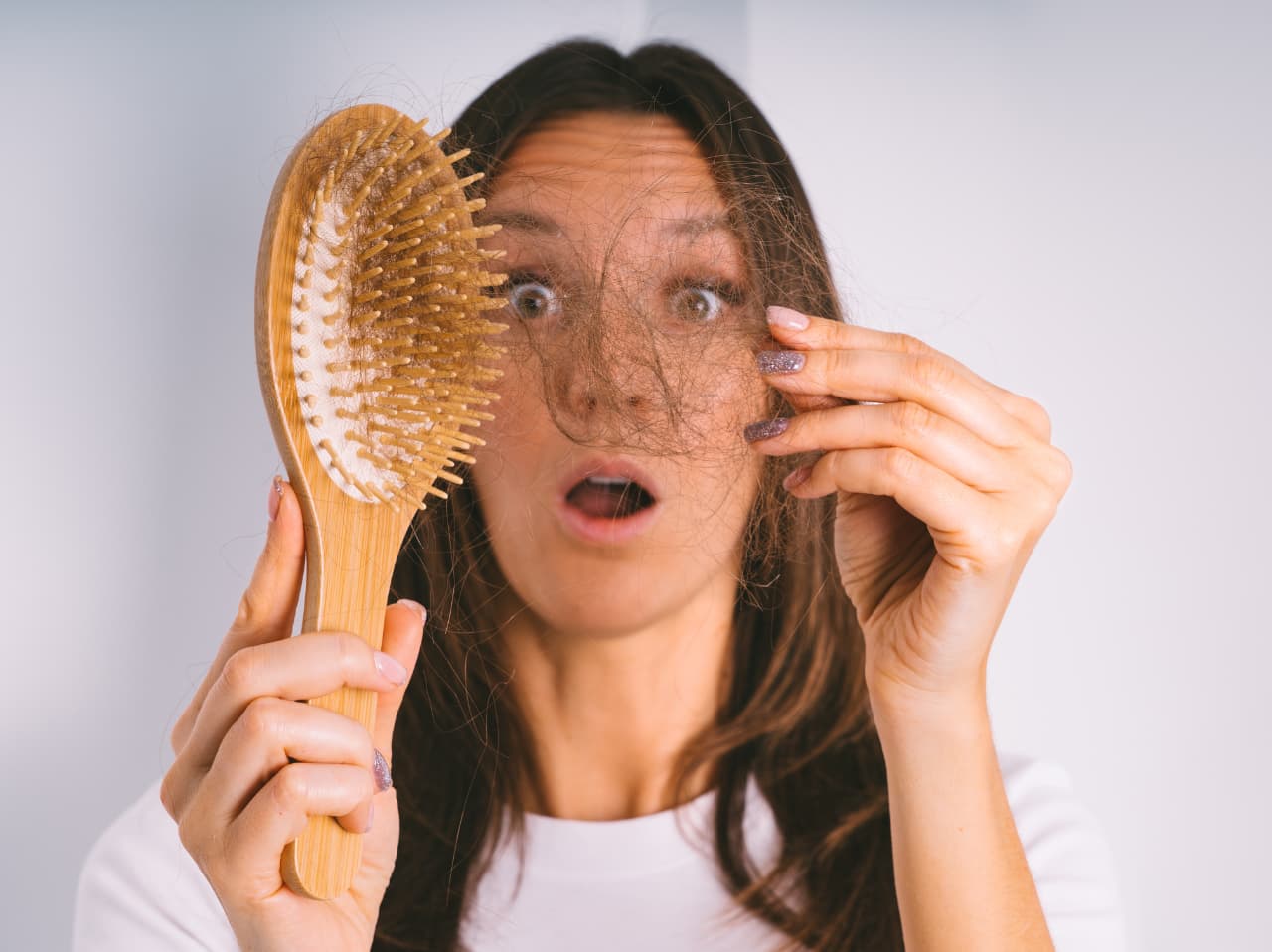
Credit: kopelmanhair.com
Key Ingredients For Hair Regrowth
Postpartum hair loss can be tough, but certain ingredients help hair grow back stronger. Choosing products with the right nutrients supports healthy hair regrowth. These key ingredients work by nourishing the scalp and strengthening hair follicles. Here are some of the best ingredients to watch for in hair care products.
Biotin And Vitamins
Biotin is a vital vitamin that helps hair grow thick and healthy. It supports keratin production, which forms the structure of hair. Other vitamins like A, C, D, and E improve scalp health and boost circulation. These vitamins also reduce hair breakage and dryness. A good product with biotin and vitamins nourishes hair from root to tip.
Essential Oils
Essential oils like rosemary, peppermint, and lavender stimulate blood flow to the scalp. Better circulation means more nutrients reach hair follicles. These oils also soothe irritation and reduce inflammation. Massaging essential oils into the scalp can encourage new hair growth. They add shine and help keep hair strong and healthy.
Protein And Collagen
Hair is mostly made of protein. Using products with protein helps repair damaged strands. Collagen supports hair strength and elasticity. It also protects hair from breaking during styling. Protein and collagen work together to rebuild hair structure. They keep hair thick and resilient after postpartum shedding.
Top Shampoos For Fuller Hair
Postpartum hair loss can feel overwhelming. Choosing the right shampoo helps support hair health and fullness. The best shampoos nourish the scalp and strengthen weak strands. They cleanse gently without stripping natural oils. These shampoos create a good base for thicker, healthier hair.
Gentle Cleansing Formulas
Shampoos with gentle cleansing formulas remove dirt without harsh chemicals. They protect fragile hair from breakage. Ingredients like aloe vera and chamomile soothe the scalp. These shampoos keep hair soft and manageable. They work well for sensitive scalps after pregnancy.
Strengthening Shampoos
Strengthening shampoos contain proteins and vitamins that rebuild hair structure. Keratin and biotin are common ingredients. They help reduce hair fall and boost volume. These shampoos improve hair elasticity and shine. Regular use supports fuller, thicker hair over time.
Sulfate-free Options
Sulfate-free shampoos avoid harsh foaming agents that dry out hair. They keep moisture in and reduce scalp irritation. These shampoos are ideal for delicate postpartum hair. They gently cleanse while maintaining hair’s natural oils. Sulfate-free options help maintain healthy hair growth.
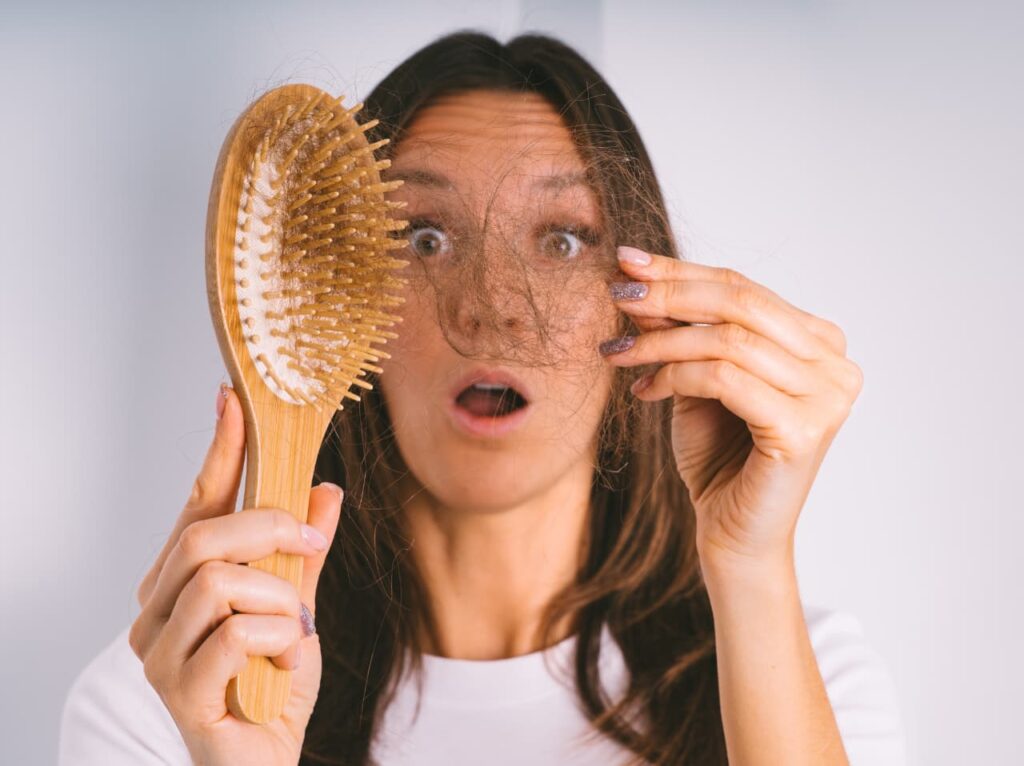
Credit: kopelmanhair.com
Best Conditioners And Treatments
Postpartum hair loss can feel overwhelming. Using the right conditioners and treatments helps protect and nourish your hair. These products support hair health and reduce breakage. They also make hair softer and easier to manage.
Deep Conditioning Masks
Deep conditioning masks offer intense hydration. They repair dry, brittle hair caused by hormonal changes. Use them once or twice a week for best results. Look for masks with natural oils like coconut or argan oil. These ingredients restore moisture and improve hair strength.
Leave-in Treatments
Leave-in treatments provide continuous care throughout the day. They protect hair from damage and reduce frizz. Apply on damp hair after washing. Choose lightweight formulas that do not weigh hair down. Ingredients like aloe vera and vitamin E help soothe the scalp and boost shine.
Scalp Serums
Scalp serums improve scalp health and support hair growth. They nourish hair follicles and reduce inflammation. Use a few drops daily, massaging gently into the scalp. Serums with ingredients like tea tree oil and biotin work well. A healthy scalp creates a better environment for new hair to grow.
Supplements To Support Hair Health
Postpartum hair loss affects many new mothers. The body undergoes many changes after childbirth, leading to hair shedding. Supplements can help support hair health during this phase. They provide essential nutrients that nourish hair follicles and promote growth. Choosing the right supplements can make a noticeable difference in hair strength and shine.
Multivitamins For New Moms
Multivitamins designed for new mothers include important vitamins and minerals. These nutrients support overall health and help reduce hair loss. Vitamins like biotin, vitamin D, and iron are common in these supplements. They work together to strengthen hair and improve scalp health. Taking multivitamins daily can fill nutritional gaps after pregnancy.
Hair Growth Boosters
Hair growth boosters contain specific ingredients to encourage new hair growth. Ingredients such as biotin, keratin, and folic acid support hair structure and renewal. These supplements help hair become thicker and less prone to breakage. Regular use can speed up the hair regrowth process. They target the root causes of postpartum hair thinning.
Omega Fatty Acids
Omega fatty acids are vital for healthy hair and scalp. They reduce inflammation and improve blood circulation to hair follicles. Omega-3 and omega-6 fatty acids are often found in fish oil or flaxseed oil supplements. These fats help keep hair moisturized and prevent dryness. Including omega fatty acids supports shiny and strong hair after pregnancy.
Natural Remedies And Diy Solutions
Postpartum hair loss can feel overwhelming for new moms. Natural remedies and DIY solutions offer gentle care without harsh chemicals. These methods nourish the scalp and hair from the root. They help reduce shedding and promote healthy regrowth. Try simple, natural ways to support your hair during this time.
Herbal Rinses
Herbal rinses boost scalp health and add shine. Use herbs like rosemary, chamomile, and nettle. Boil the herbs in water, then cool the mixture. Pour the rinse over clean hair after shampooing. These rinses soothe the scalp and strengthen hair strands. Herbal rinses can reduce itching and improve circulation.
Homemade Hair Masks
Homemade hair masks add moisture and nutrients. Mix natural ingredients like avocado, honey, and yogurt. Apply the mask to damp hair and scalp. Leave it on for 20 to 30 minutes. Rinse well with lukewarm water. These masks help repair damaged hair and prevent breakage. Use weekly for best results.
Scalp Massage Techniques
Scalp massages increase blood flow to hair follicles. Use your fingertips to gently massage in small circles. Massage for 5 to 10 minutes daily. You can add a few drops of coconut or jojoba oil. This relaxes the scalp and promotes hair growth. Regular massages also reduce stress and tension.
Tips For Preventing Postpartum Hair Loss
Postpartum hair loss can be stressful for new mothers. Taking steps to prevent or reduce hair loss helps maintain healthy hair. Some simple habits support hair growth and scalp health after childbirth.
These tips focus on nutrition, stress control, and gentle hair care. Each plays a key role in keeping hair strong and less prone to falling out.
Healthy Diet Habits
A balanced diet provides essential nutrients for hair growth. Include foods rich in protein, iron, and vitamins A and C. Leafy greens, nuts, and fish support hair health. Drinking enough water keeps hair hydrated and shiny. Avoid skipping meals to prevent nutrient loss.
Stress Management
Stress can increase hair shedding after pregnancy. Practice relaxation techniques like deep breathing or meditation daily. Rest and sleep help the body recover. Ask for support from family or friends to reduce pressure. Calm mind, calm scalp.
Gentle Hair Care Practices
Use mild shampoos and conditioners without harsh chemicals. Avoid hot water and high heat from styling tools. Pat hair dry instead of rubbing with a towel. Choose wide-tooth combs to detangle hair gently. Limit tight hairstyles that pull on the scalp.
When To See A Specialist
Postpartum hair loss can feel worrying for many new mothers. Most of the time, hair falls out naturally and regrows within a few months. Yet, some cases need expert help. Knowing when to see a specialist can protect your hair health and peace of mind.
Signs Of Excessive Hair Loss
Shedding 50 to 100 hairs a day is normal. More than this might signal a problem. Notice large clumps of hair falling out during brushing. Thinning patches or a clear scalp show excessive loss. Sudden hair loss that lasts over six months needs attention.
Medical Treatments Available
Doctors offer various treatments to help hair regrow. Topical solutions like minoxidil are common. Some pills improve hair strength and growth. Light therapy and platelet-rich plasma (PRP) treatments also support recovery. Early treatment often leads to better results.
Consulting A Dermatologist
A dermatologist can diagnose the cause of hair loss. They check for hormonal issues or scalp conditions. Blood tests might be necessary to find deficiencies. Specialists create a tailored plan for your hair type. Timely consultation prevents permanent hair damage.
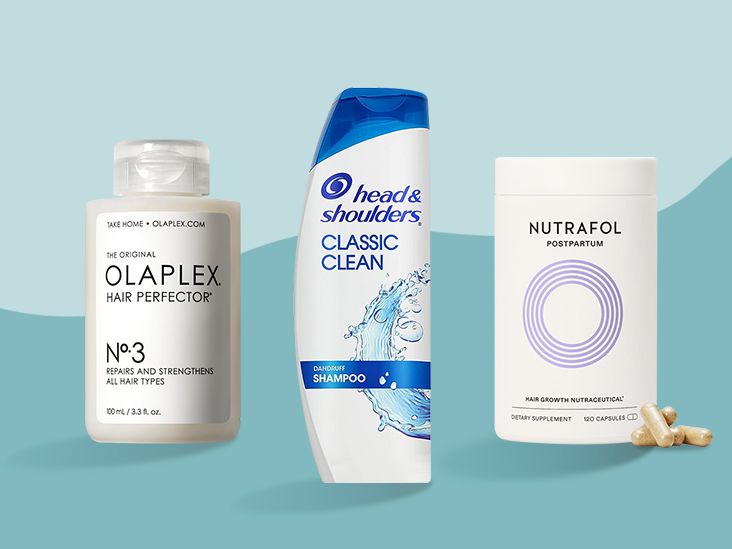
Credit: www.healthline.com
Frequently Asked Questions
What Causes Postpartum Hair Loss And How Long Lasts?
Postpartum hair loss occurs due to hormonal changes after childbirth. It usually starts 1-3 months postpartum and lasts up to 6 months. Hair growth typically returns to normal by one year after delivery.
Which Ingredients Are Best For Postpartum Hair Loss Products?
Look for products with biotin, keratin, caffeine, and vitamin E. These ingredients strengthen hair, stimulate growth, and reduce shedding. Natural oils like argan and castor oil also nourish and hydrate the scalp.
Can Postpartum Hair Loss Be Prevented With Products?
While complete prevention isn’t guaranteed, using gentle, nourishing hair products can minimize shedding. Avoid harsh chemicals and heat styling. Regular scalp massages and a balanced diet support hair health and faster recovery.
How Often Should I Use Postpartum Hair Loss Products?
Use recommended products consistently, typically 2-3 times a week. Follow specific instructions on labels for shampoos, conditioners, and serums. Consistency helps improve scalp health and promotes hair regrowth effectively.
Conclusion
Postpartum hair loss can feel tough, but the right products help. Choose gentle shampoos and nourishing oils to support hair health. Patience is key; hair grows back with time. Healthy eating and care improve results. Remember, many women face this challenge.
You are not alone. Keep a simple routine and stay consistent. Your hair will regain strength and shine. Small steps bring big changes. Trust the process and take good care of yourself.