Are you tired of dealing with frizzy hair that just won’t behave? You’re not alone.
Frizz can make your hair look dry, messy, and hard to manage. But what if the solution is simpler than you think? The best oil for frizzy hair can transform your locks, making them smooth, shiny, and easy to style.
You’ll discover which oils work wonders for taming frizz and how to use them to get the hair you’ve always wanted. Keep reading—you’re just one step away from saying goodbye to frizz forever.
Causes Of Frizzy Hair
Frizzy hair happens when the hair strands swell and lose their smooth texture. Many factors cause frizz. Understanding these causes helps to choose the best oil for frizzy hair. The causes often involve moisture, damage, or product buildup on hair strands.
Humidity And Weather Effects
Humidity is a common cause of frizzy hair. Hair absorbs water from the air. This makes hair strands swell and frizz. Cold and dry weather can also dry out hair. Dry hair becomes rough and frizzy easily.
Hair Damage And Dryness
Damaged hair loses natural oils. Hair becomes dry and brittle. Heat styling, coloring, and harsh treatments cause damage. Dry hair strands do not lie flat. This results in a frizzy appearance.
Product Buildup Impact
Using many hair products causes buildup. Buildup blocks moisture from entering hair. It makes hair look dull and frizzy. Regular cleansing is needed to remove buildup. Clean hair can absorb oil better.
Benefits Of Using Hair Oils
Using hair oils can greatly improve the health of frizzy hair. Oils help protect hair from dryness and damage. They keep hair soft and manageable. Regular use of hair oils can make hair look shiny and smooth.
Many people find that oils reduce the rough texture of their hair. Oils also provide essential nutrients to the scalp and hair strands. This helps hair grow stronger and healthier over time.
Moisture Retention
Hair oils lock moisture inside the hair shaft. This prevents dryness, which causes frizz. Oils create a barrier that stops water from escaping. Well-moisturized hair feels soft and smooth. It looks less rough and tangled.
Frizz Control
Oils calm the hair cuticle, reducing frizz. They smooth out the hair surface to stop flyaways. Applying oil helps hair stay sleek throughout the day. Oils also protect hair from humidity, a common frizz cause.
Hair Strengthening
Oils supply nutrients that strengthen hair strands. Strong hair breaks less and grows longer. Oils repair damage caused by heat and chemicals. Healthy hair feels thicker and more elastic. Using oil regularly supports overall hair health.
Top Oils For Frizzy Hair
Frizzy hair needs extra care to look smooth and shiny. Oils can help tame frizz by adding moisture and sealing hair strands. Some oils work better than others for calming frizz and nourishing hair deeply. Below are the top oils that help fight frizz and boost hair health.
Argan Oil
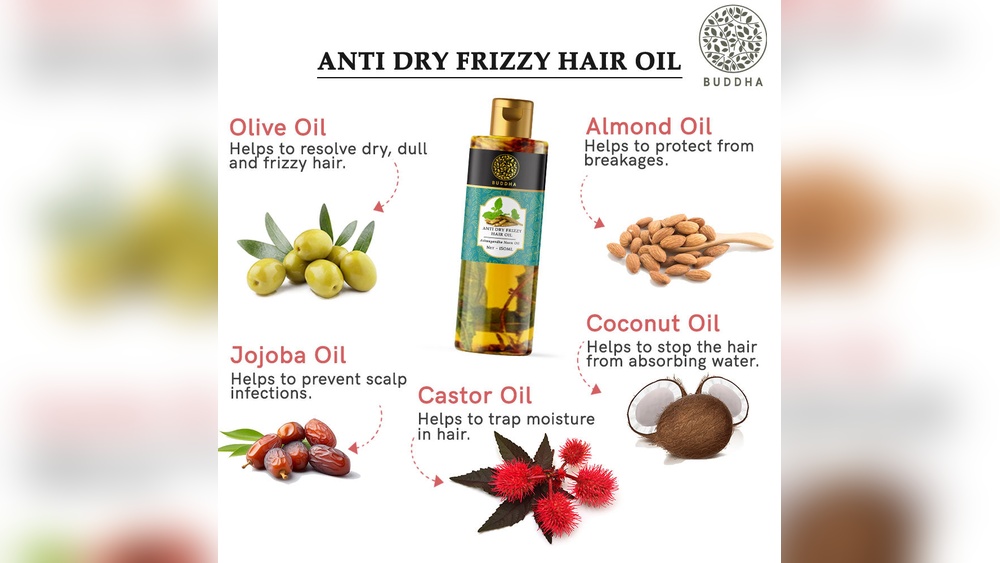
Argan oil is rich in vitamin E and fatty acids. It softens hair and reduces frizz quickly. This oil absorbs fast without leaving a greasy feel. Use a few drops on damp hair for a smooth finish.
Coconut Oil
Coconut oil deeply penetrates hair shafts to prevent dryness. It protects hair from damage and adds shine. Warm a small amount and apply from roots to ends. It works well as an overnight treatment.
Jojoba Oil
Jojoba oil closely resembles natural scalp oils. It moisturizes hair without weighing it down. This oil helps control frizz and adds a healthy glow. Use it as a leave-in serum for light hydration.
Olive Oil
Olive oil is thick and nourishing for dry, frizzy hair. It smooths the hair cuticle and reduces roughness. Warm olive oil and massage into hair for 30 minutes before washing. It also helps prevent split ends.
Castor Oil
Castor oil is thick and rich in fatty acids. It locks in moisture and fights frizz effectively. Use it sparingly on the ends to avoid heaviness. Castor oil also supports stronger and thicker hair growth.

Credit: www.kalimeragold.com
Choosing The Right Oil For Your Hair
Choosing the right oil for your hair is key to taming frizz and keeping your hair healthy. Not all oils work the same for every hair type. Picking the best one depends on your hair’s needs and how your scalp reacts to different oils. Understanding these factors helps you find the oil that smooths your hair without weighing it down.
Hair Type Considerations
Thick hair needs heavier oils like castor or coconut oil. These oils lock in moisture and reduce frizz well. Fine hair benefits from lighter oils such as argan or jojoba oil. They add shine without making hair greasy. Curly hair thrives on oils that nourish and define curls, like olive or avocado oil.
Allergies And Sensitivities
Some oils can cause irritation or allergic reactions. Always test a small skin patch before using any new oil. Choose natural and pure oils to reduce risk. Avoid oils with added chemicals or fragrances if you have sensitive skin. This protects your scalp and keeps hair healthy.
Oil Consistency And Absorption
Oils vary in thickness and how fast they absorb. Thick oils suit dry, coarse hair but may feel heavy on fine hair. Light oils absorb quickly and leave no residue. They work best for daily use or oily scalps. Match oil consistency to your hair’s needs for the best results.
How To Apply Hair Oil Effectively
Applying hair oil properly can make a big difference for frizzy hair. It helps smooth the strands and locks in moisture. The right technique spreads the oil evenly without making hair greasy. Here are three easy ways to use hair oil for best results.
Pre-wash Treatment
Apply oil before washing your hair to protect it from harsh shampoos. Use a small amount and massage it gently into your scalp. Work the oil through the hair from roots to ends. Leave it on for at least 30 minutes. This softens your hair and reduces frizz during washing.
Post-wash Application
After washing, use a few drops of oil on damp hair. Rub the oil between your palms and lightly run your hands through the hair. Focus on the ends and areas that frizz the most. Avoid the scalp to prevent oiliness. This seals moisture and adds shine.
Overnight Hair Masks
For deep nourishment, apply oil and leave it overnight. Spread a generous amount from roots to tips. Cover your hair with a shower cap or towel. Sleep with the oil in your hair to boost hydration. Wash it out in the morning for soft, frizz-free hair.

Credit: www.elle.com
Diy Hair Oil Blends
DIY hair oil blends offer a simple way to treat frizzy hair at home. You can mix natural oils to suit your hair needs. This method gives control over ingredients and benefits. It also saves money compared to store-bought products.
Creating your own blend allows you to target dryness, damage, or scalp issues. You can change oils depending on the season or hair condition. This personalized approach helps keep hair smooth and shiny.
Customizing Oils For Extra Benefits
Start with a base oil like coconut, argan, or jojoba. These oils moisturize and soften hair well. Add smaller amounts of other oils for special effects. For example, castor oil can boost hair growth. Almond oil adds shine and strength.
Mix oils in small bottles to test combinations. Note how your hair reacts after each use. Adjust the mix if your hair feels heavy or oily. Find the right balance for smooth, frizz-free hair.
Adding Essential Oils
Essential oils give your blend a pleasant scent and extra care. Lavender oil soothes the scalp and reduces itchiness. Peppermint oil can refresh and stimulate hair follicles.
Use only a few drops of essential oils per tablespoon of base oil. Too much can irritate the scalp. Always do a patch test before applying widely. Essential oils improve your blend without harsh chemicals.
Storage Tips
Keep your DIY hair oils in dark glass bottles. This protects oils from light and heat. Store bottles in a cool, dry place away from sunlight.
Label each bottle with ingredients and date made. Oils usually last 3 to 6 months. If the oil smells bad or changes color, discard it. Proper storage keeps your hair oil fresh and effective.
Common Mistakes To Avoid
Choosing the best oil for frizzy hair can be tricky. Many people make simple mistakes that stop their hair from looking smooth and healthy. Avoiding these common errors helps the oil work better. Below are some mistakes to watch out for.
Using Too Much Oil
Applying too much oil makes hair look greasy, not soft. Start with a small amount. Add more only if needed. Excess oil can weigh hair down and attract dirt. Use oil sparingly for a natural shine.
Skipping Scalp Care
Healthy hair starts with a healthy scalp. Many forget to oil the scalp. Massaging oil into the scalp improves blood flow and reduces dryness. It also helps hair grow stronger. Don’t focus only on the hair strands.
Ignoring Hair Porosity
Hair porosity means how well hair absorbs moisture. Low porosity hair needs light oils. High porosity hair benefits from heavier oils. Using the wrong oil can cause buildup or dryness. Know your hair type to pick the right oil.
:max_bytes(150000):strip_icc()/loral-paris-elvive-extraordinary-oil-deep-nourishing-treatment-7d364ff41bd24786b5144b14678d5e74.jpg)
Credit: www.byrdie.com
Frequently Asked Questions
What Is The Best Oil For Frizzy Hair?
Argan oil is the best for frizzy hair. It smooths strands, adds shine, and controls humidity. Its lightweight nature makes it ideal for daily use without weighing hair down.
How Often Should I Oil Frizzy Hair?
Oiling frizzy hair 2-3 times a week is ideal. Regular application nourishes hair, reduces dryness, and improves texture. Over-oiling can cause buildup, so moderation is key for best results.
Can Coconut Oil Reduce Hair Frizz Effectively?
Yes, coconut oil reduces frizz by moisturizing and sealing hair cuticles. It penetrates deeply, preventing protein loss and dryness. Use sparingly to avoid greasy hair and enhance smoothness naturally.
Which Oil Is Best For Dry, Frizzy Hair?
Jojoba oil works best for dry, frizzy hair. It mimics natural scalp oils, hydrates strands, and improves elasticity. Its non-greasy formula helps restore moisture without clogging pores.
Conclusion
Choosing the right oil helps tame frizzy hair quickly. Natural oils like argan, coconut, and jojoba work well. They add moisture and shine without weighing hair down. Regular use keeps hair soft and smooth. Remember, each hair type may react differently.
Test a small amount before full use. Healthy hair starts with good care and the right oil. Try oils patiently to find what suits you best. Frizz can become manageable with simple steps and care.