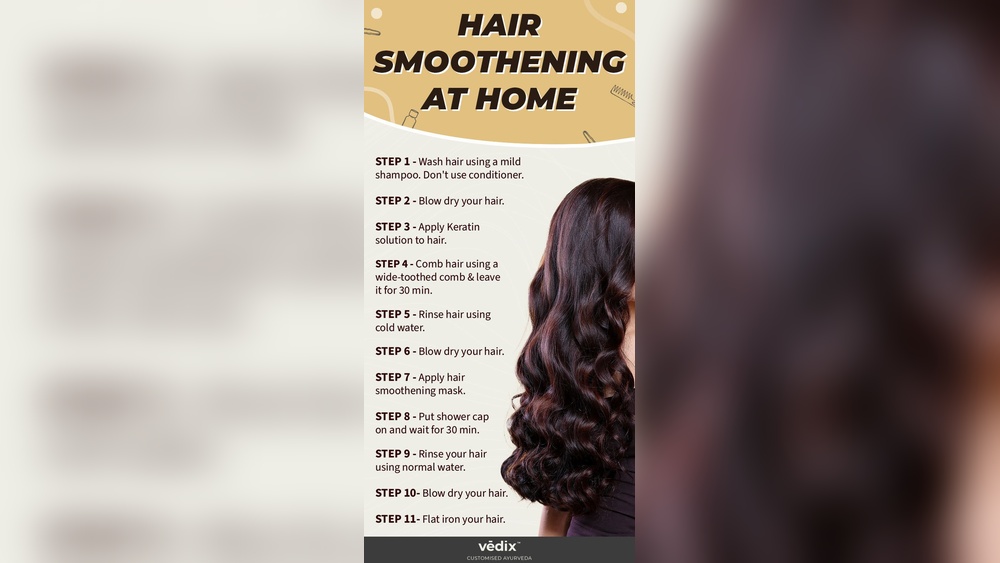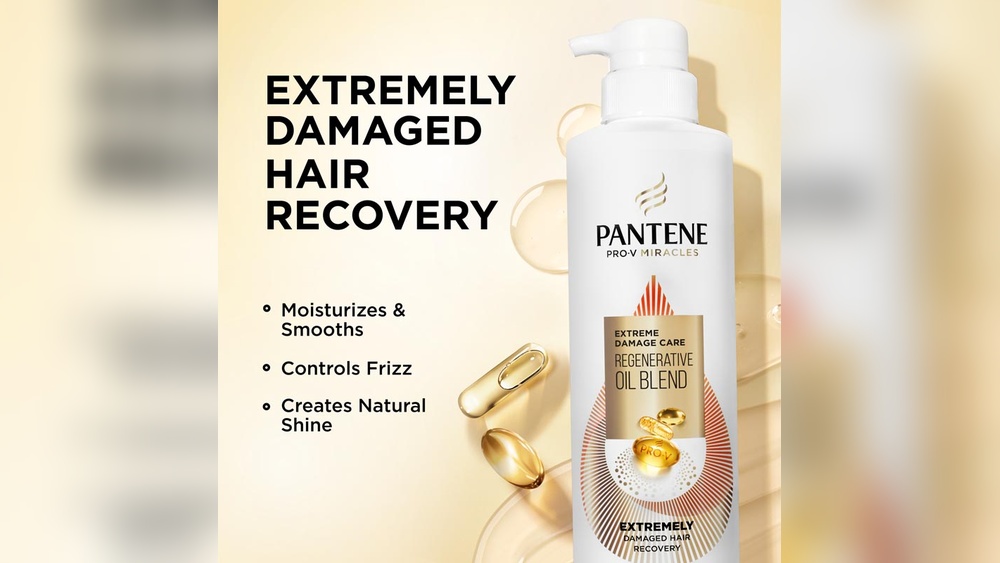
Is your hair feeling dry, brittle, or lifeless? If damage has taken a toll on your locks, choosing the right shampoo can make all the difference.
You deserve hair that looks healthy, shines naturally, and feels soft to the touch. But with so many options out there, how do you find a shampoo that truly repairs and nourishes your damaged hair? Keep reading, because we’re about to reveal simple, effective solutions that will help you restore your hair’s strength and beauty—starting today.
Causes Of Hair Damage
Hair damage happens for many reasons. It can make hair weak, dry, and hard to manage. Knowing what causes damage helps protect hair better. Here are some common reasons hair gets damaged.
Heat Styling Effects
Using hot tools like straighteners and curling irons harms hair. High heat removes natural moisture and breaks hair strands. Regular heat styling can cause split ends and dryness. Always use heat protectant sprays to reduce damage.
Chemical Treatments
Hair coloring, perming, and relaxing use strong chemicals. These chemicals change the hair’s structure and weaken it. Overuse or wrong application leads to brittle and fragile hair. Give hair time to recover between treatments.
Environmental Factors
Sun exposure, wind, and pollution can harm hair. UV rays break down hair proteins and cause dryness. Pollution leaves dirt and toxins on hair, making it dull. Wearing hats or using protective sprays helps shield hair.
Poor Hair Care Habits
Washing hair too often strips natural oils. Using harsh shampoos can dry out hair and scalp. Rough towel drying and tight hairstyles cause breakage. Gentle care keeps hair strong and healthy.
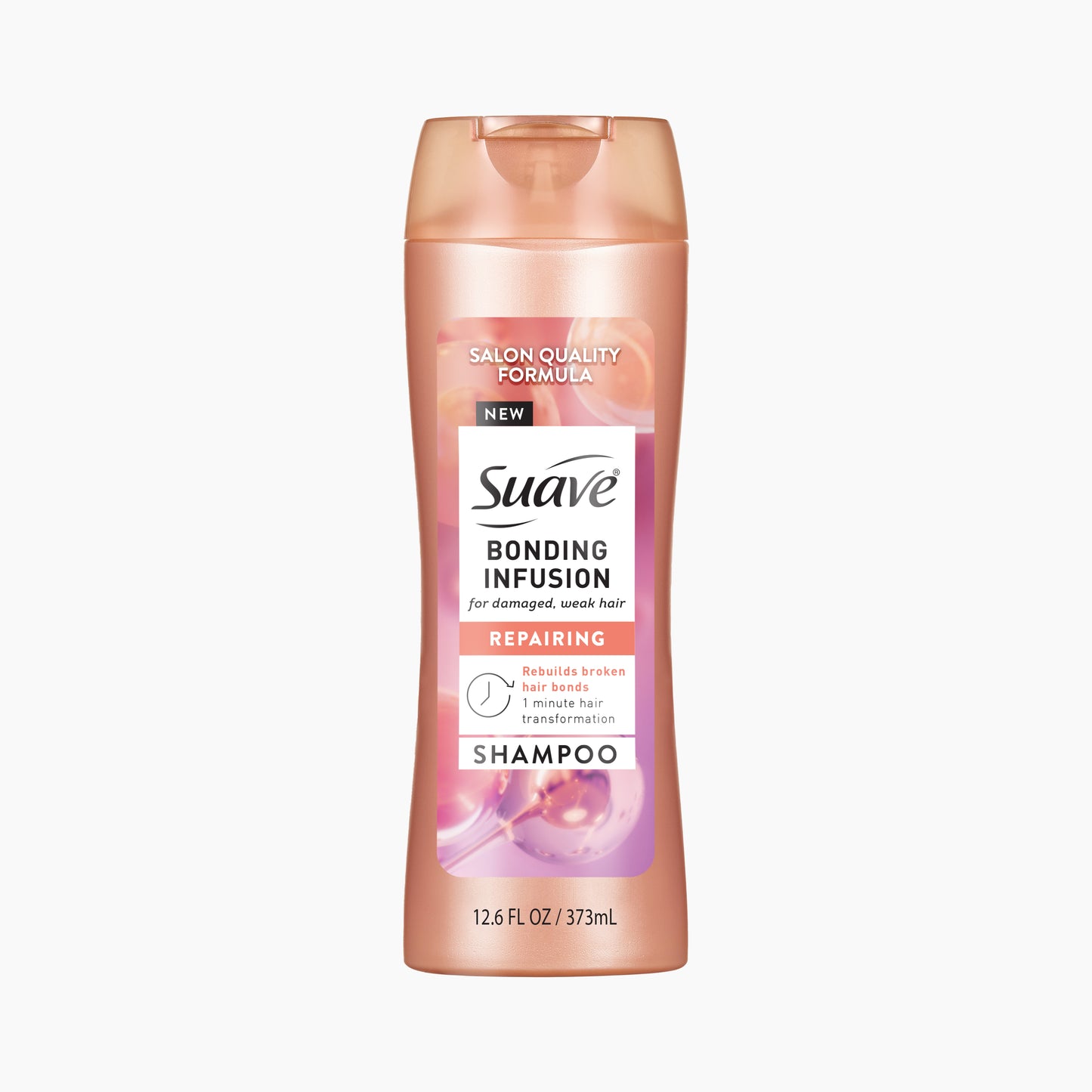
Credit: www.suave.com
Key Ingredients For Repair
Shampoos for damaged hair need special ingredients to help restore hair health. These key ingredients work to repair and strengthen each strand. They also protect hair from further damage and breakage. Choosing a shampoo with the right ingredients is essential for hair recovery.
Proteins And Keratin
Proteins like keratin rebuild the hair structure. They fill in cracks and gaps in damaged hair. This makes hair stronger and less likely to break. Keratin smooths the hair cuticle, adding shine and softness. Regular use helps hair look healthier and feel thicker.
Natural Oils And Butters
Natural oils such as argan and coconut oil nourish dry hair deeply. They add moisture and prevent frizz. Butters like shea butter seal in hydration and protect hair. These ingredients soften hair and improve elasticity. They help hair stay smooth and manageable.
Vitamins And Antioxidants
Vitamins like B5 and E support hair growth and repair. Antioxidants protect hair from harmful environmental damage. They reduce dryness and soothe the scalp. These ingredients keep hair strong and vibrant. They also help prevent split ends and dullness.
Moisturizing Agents
Moisturizing agents like glycerin and aloe vera attract and hold water. They keep hair hydrated throughout the day. Hydrated hair is less prone to breakage and looks shiny. These ingredients improve hair texture and softness. They help restore natural moisture balance.
Types Of Shampoos For Damaged Hair
Choosing the right shampoo for damaged hair is important for hair health. Different shampoos serve different purposes. Each type offers unique benefits to help restore hair strength and shine. Understanding these types helps you pick the best option for your hair condition.
Repairing Shampoos
Repairing shampoos contain ingredients that rebuild hair structure. They often include proteins like keratin to fix broken strands. These shampoos help reduce split ends and breakage. Use them regularly to strengthen weak hair.
Moisturizing Shampoos
Moisturizing shampoos add moisture back to dry, damaged hair. They contain oils and humectants that hydrate hair deeply. These shampoos prevent hair from feeling rough or brittle. They improve softness and manageability with each wash.
Sulfate-free Options
Sulfate-free shampoos clean hair gently without stripping natural oils. They are less likely to cause dryness or irritation. These shampoos are ideal for fragile, damaged hair. They keep hair healthy while maintaining moisture balance.
Clarifying Shampoos
Clarifying shampoos remove buildup from styling products and oils. They help refresh hair and scalp thoroughly. Use clarifying shampoos occasionally to avoid over-drying damaged hair. They prepare hair well for other treatments.
How To Choose The Right Shampoo
Choosing the right shampoo for damaged hair is key to restoring strength and shine. Not all shampoos work the same for every person. Some ingredients might help, while others can cause more harm. Understanding your hair and scalp needs helps pick the best product. Here are important points to consider before buying.
Hair Type Considerations
Different hair types need different care. Fine hair requires gentle formulas that do not weigh it down. Thick or curly hair often needs more moisturizing shampoos. Dry or brittle hair benefits from nourishing ingredients. Oily hair needs a shampoo that cleans deeply without stripping moisture. Always choose a shampoo suited to your hair’s texture and condition.
Scalp Health
A healthy scalp promotes strong hair growth. Some shampoos soothe irritation or reduce dandruff. Avoid harsh chemicals that cause dryness or itchiness. Look for gentle cleansing agents that balance scalp oils. If you have scalp issues, pick a shampoo made for sensitive skin. Clean scalp means healthier hair roots and less damage.
Product Ingredients
Ingredients make all the difference. Natural oils like argan or coconut repair damaged strands. Proteins such as keratin help rebuild hair structure. Avoid sulfates and parabens that can strip moisture. Silicones may smooth hair but build-up can weigh it down. Choose shampoos with nourishing, safe ingredients for best results.
Brand Reputation
Trustworthy brands often invest in quality and safety. Read reviews and feedback from other users. Look for brands with clear ingredient lists and transparency. Established brands usually follow strict quality controls. A good reputation means the product likely delivers what it promises. Do not hesitate to try samples first if available.
Best Practices For Using Shampoo
Using shampoo correctly helps repair and protect damaged hair. Following best practices keeps hair healthy and prevents more damage. Simple steps make a big difference in hair care.
Proper Washing Techniques
Wet hair with warm water before applying shampoo. Use a small amount of shampoo. Massage gently into the scalp with fingertips. Avoid rough scrubbing to prevent breakage. Rinse thoroughly to remove all shampoo. This clears dirt without stripping natural oils.
Shampoo Frequency
Shampooing too often dries out damaged hair. Washing 2-3 times per week is enough for most people. Adjust frequency based on hair type and scalp condition. Less washing allows natural oils to nourish hair strands. This supports repair and reduces frizz.
Combining With Conditioners
Use conditioner after shampoo to restore moisture. Apply conditioner mainly on hair ends, not the scalp. Leave conditioner on for a few minutes before rinsing. Conditioners seal the hair cuticle and improve softness. This helps reduce split ends and tangles.
Avoiding Over-washing
Over-washing strips hair of protective oils. This makes hair dry, brittle, and prone to damage. Skip shampoo on some days and rinse with water only. Use a gentle shampoo designed for damaged hair. This keeps hair balanced and healthy.
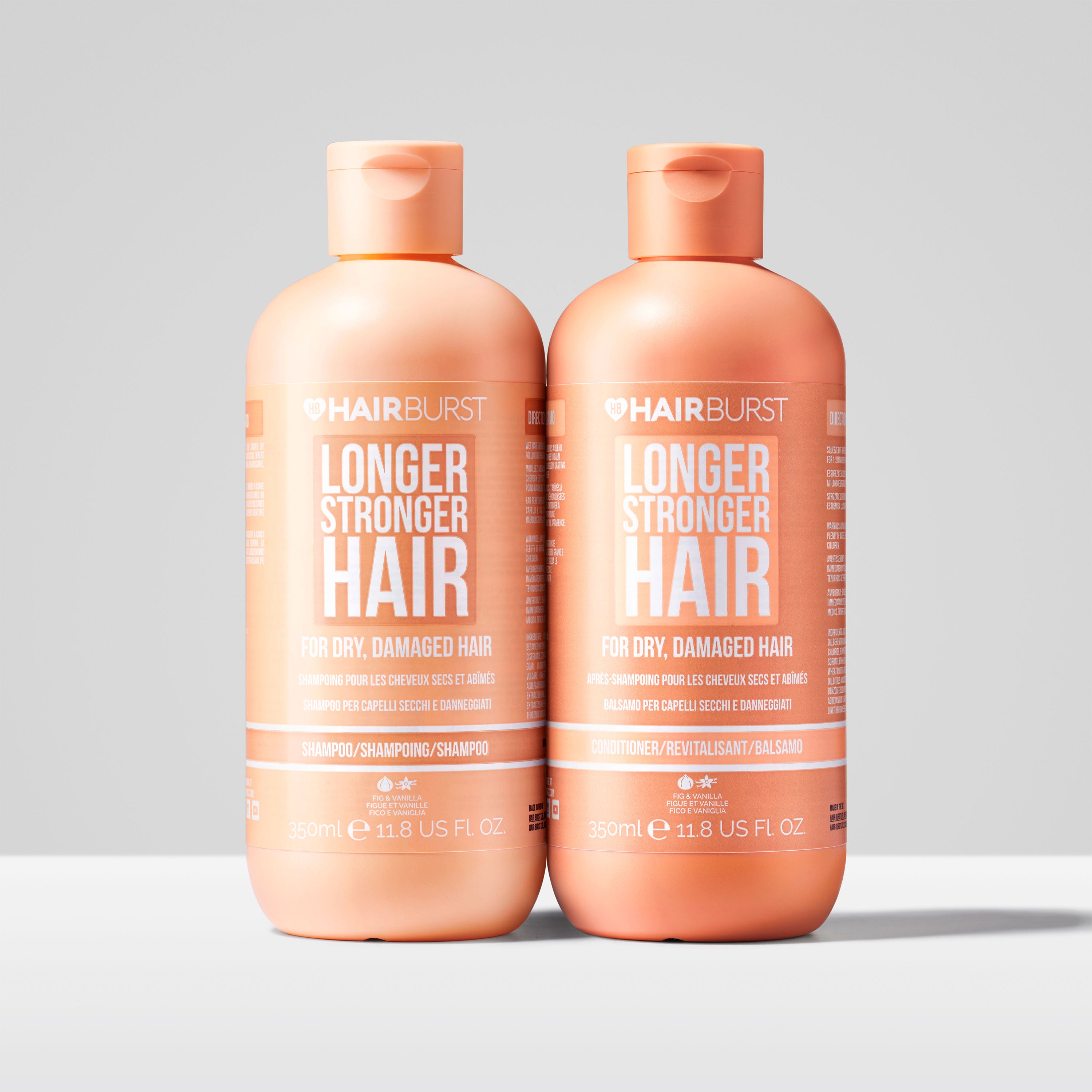
Credit: us.hairburst.com
Additional Treatments For Repair
Shampoo alone may not fully fix damaged hair. Extra treatments help restore strength and shine. They add moisture and protect hair from further harm. Using these treatments often improves hair texture and health.
Deep Conditioning Masks
Deep conditioning masks soak into hair strands. They repair damage by adding moisture and nutrients. Use once or twice a week for best results. Masks make hair softer and less prone to breakage.
Leave-in Treatments
Leave-in treatments stay in hair after washing. They protect hair from heat and environmental damage. These treatments also help detangle and smooth hair. Apply a small amount on damp hair for better control.
Hair Oils
Hair oils add extra shine and softness. They seal moisture inside hair strands. Oils like argan or coconut nourish dry, brittle hair. Use a few drops on ends to prevent split ends.
Professional Salon Treatments
Salon treatments offer deeper repair than home care. Experts use special products and tools for best effect. Treatments can rebuild hair structure and reduce frizz. Regular salon visits keep hair looking healthy and strong.
Preventing Future Hair Damage
Protecting hair from damage is key to keeping it healthy and strong. Using the right shampoo helps, but good daily habits matter too. Small changes can stop damage before it starts. This section shares easy ways to guard your hair every day.
Heat Protection Tips
Heat from styling tools can harm hair quickly. Always use a heat protectant spray before blow drying or straightening. Set tools to a low or medium temperature. Avoid using heat on wet hair. Give hair a break from heat styling several days each week.
Gentle Styling Methods
Choose styles that don’t pull or stress hair. Avoid tight ponytails or braids that cause breakage. Use soft hair ties instead of rubber bands. Let hair air dry instead of rubbing it with a towel. Use wide-tooth combs to detangle gently, starting from the ends.
Balanced Diet And Hydration
Hair needs vitamins and water to stay strong. Eat foods rich in protein, vitamins A, C, and E. Drink plenty of water daily to keep hair hydrated from inside. Healthy eating supports hair growth and repair. Avoid too much sugar and processed foods.
Regular Trims
Cutting hair regularly stops split ends from spreading. Trim every 6 to 8 weeks to keep ends neat. Healthy ends prevent damage from moving up the hair shaft. Trims make hair look fresh and reduce breakage. Don’t wait until ends are very damaged.
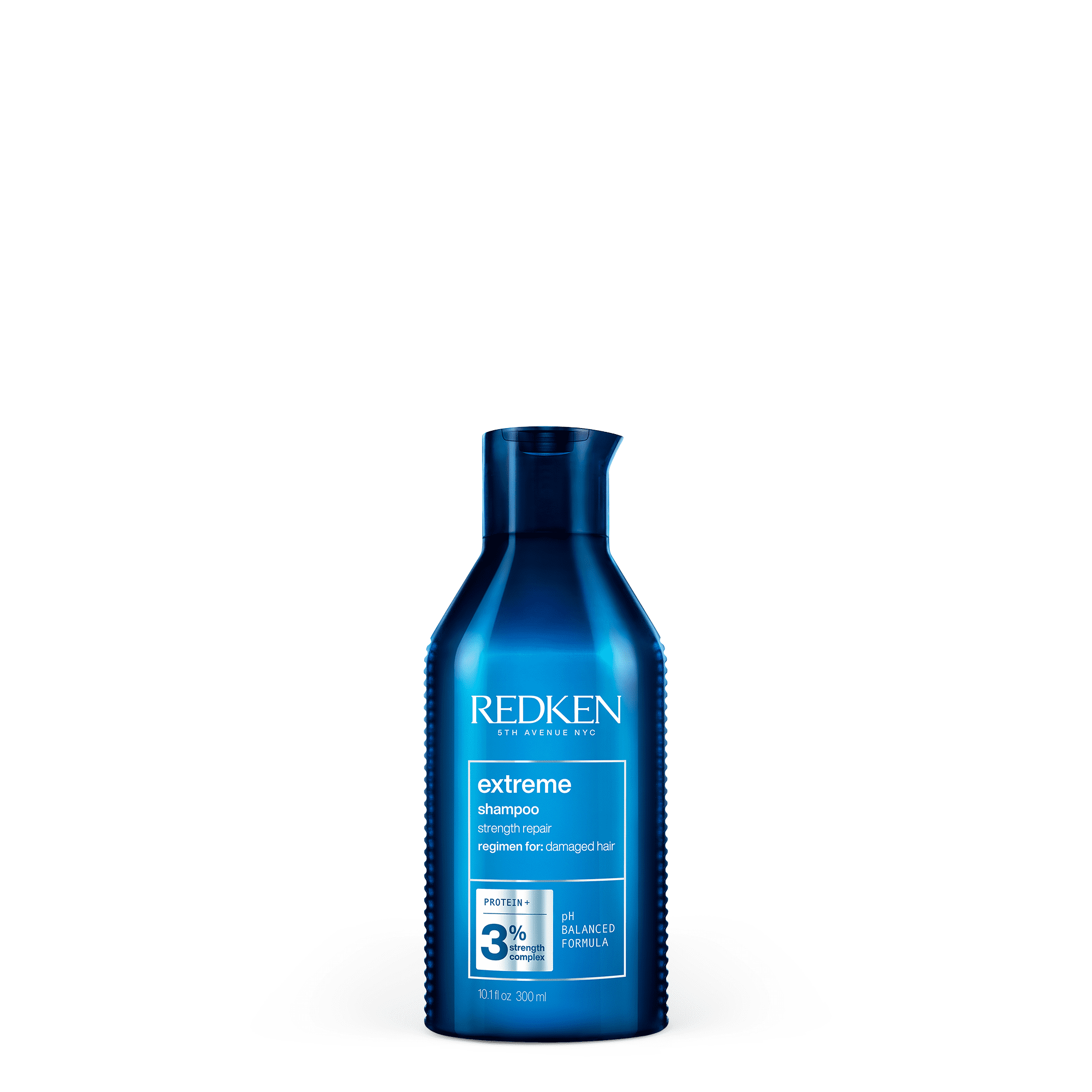
Credit: www.redken.com
Frequently Asked Questions
What Ingredients Are Best In Shampoo For Damaged Hair?
Look for shampoos with keratin, biotin, argan oil, and shea butter. These ingredients repair and nourish damaged strands effectively.
How Often Should I Wash Damaged Hair With Shampoo?
Wash damaged hair 2-3 times a week. Over-washing can strip natural oils and worsen damage.
Can Shampoo Alone Repair Severely Damaged Hair?
Shampoo helps clean and protect, but deep treatments and conditioners are needed for severe damage.
Are Sulfate-free Shampoos Better For Damaged Hair?
Yes, sulfate-free shampoos are gentler and prevent further drying or irritation to damaged hair.
Conclusion
Choosing the right shampoo helps heal damaged hair faster. Gentle ingredients protect and nourish your strands daily. Healthy hair feels softer, looks shinier, and breaks less. Remember, patience is key—results take time to show. Treat your hair with care and stay consistent.
Your damaged hair deserves the best care you can give. Keep your routine simple and follow these tips. Stronger, healthier hair is possible with the right shampoo.